
Benefits of Artisanal Home Decor Pieces
Table of Contents
- What Makes Artisanal Home Decor Different From Mass-Produced Items
- The Value of Unique Craftsmanship and One-of-a-Kind Design
- How to Style Original Art in Modern and Minimalist Interiors
- Sustainable Home Decor Benefits and Ethical Consumption
- Quality, Durability, and the Heirloom Potential of Artisan Materials
- Care and Maintenance of Artisan Materials
- Supporting Local Artisans and Building Community Through Your Choices
- Conclusion
Last Updated: August 17, 2026
What Makes Artisanal Home Decor Different From Mass-Produced Items
Artisanal home decor differs from mass-produced alternatives in intention, process, and permanence. Handcrafted pieces carry the maker's signature through deliberate choices about materials, color, and form. A ceramic vase from a potter's studio won't have the uniform glaze of factory production, this inconsistency signals authenticity.
The production timeline reveals the difference. Mass-produced items move through assembly lines in hours; artisan-made goods take days, weeks, or months. A single handcrafted ceramic vessel might require multiple firing cycles and hand-finishing that no automated system performs.

At Palms 30A, we've curated a collection celebrating this distinction. Our artisanal pieces, from handcrafted ceramics to custom-designed trinket trays, reflect the care that goes into bespoke creation. Artisans often source organic materials, clay from specific regions, reclaimed wood, natural fibers, selecting based on how they'll age and develop character over time.
The Value of Unique Craftsmanship and One-of-a-Kind Design
One-of-a-kind design is the opposite of algorithmic production. When a craftsperson creates an artisan-made piece, they're making decisions reflecting their aesthetic, skill level, and understanding of materials. No two handcrafted items are identical.
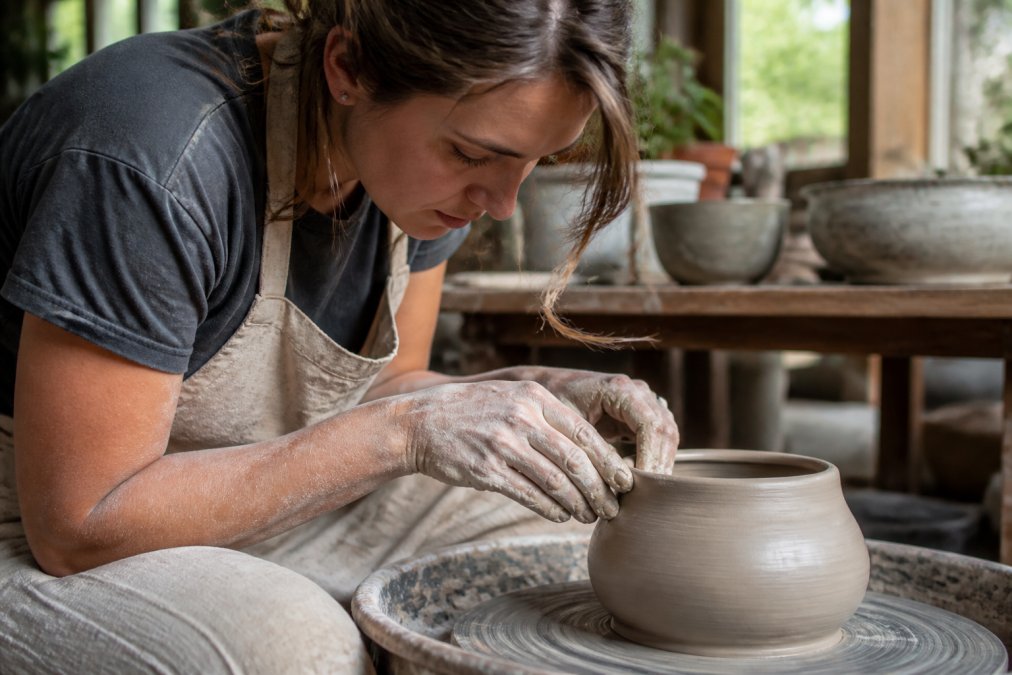
This uniqueness has real value. Slight variations in glaze color, hand-painted asymmetrical details, and unrepeatable wood grain are features, not flaws, evidence of human skill and intentional creation. Craftsmanship also means accountability. An artisan stands behind their work in ways factory systems don't, investing their reputation in quality.
The design process itself matters. Artisans often iterate, experimenting with form and function until arriving at something that works. This trial-and-error process produces designs tested in real conditions. Consider customization: mass-produced decor comes in predetermined options, while artisanal work can be modified or created entirely from a client's vision. The Custom Designed Seashell from Palms 30A exemplifies this, each piece is thoughtfully handcrafted and uniquely designed to bring coastal charm into your home.

How to Style Original Art in Modern and Minimalist Interiors
Handcrafted pieces integrate beautifully into modern and minimalist interiors when treated as focal points rather than clutter. Minimalist design actually benefits from artisanal pieces: where mass-produced decor blends into the background, handcrafted items command attention.

Start by choosing one statement piece per room, a handcrafted ceramic vessel, custom-designed trinket tray, or original art. Let that piece anchor the space; everything else should support it with clean lines and minimal competing visual noise. Handcrafted ceramics often feature subtle color variations that feel more sophisticated than uniform factory finishes. In a minimalist space, this depth becomes valuable because there's less visual competition.
Placement matters enormously. Avoid clustering artisan pieces together; instead, space them intentionally across the room to create visual rhythm without overwhelming the space. The Meadow Line Doormat from Palms 30A demonstrates this principle, its blue and white floral design brings warmth to an entryway without compromising minimalist aesthetics.

Sustainable Home Decor Benefits and Ethical Consumption
Choosing artisanal home decor aligns with conscious consumerism. When you purchase from artisans, you're typically supporting small-scale production, local economies, and sustainable material sourcing. Mass production depends on efficiency at scale, often meaning cheaper materials and longer supply chains with hidden environmental costs. Artisanal production usually involves fewer intermediaries and more transparent sourcing.
Sustainability extends beyond materials to durability. An item made to last decades has lower environmental impact than disposable decor replaced every few years. Handcrafted pieces often improve with age, developing patina and becoming more beautiful through use, the opposite of planned obsolescence.
Ethical consumption means understanding labor practices. Artisans typically work under conditions they control, at paces they set, using techniques they've chosen. Supporting local artisans and small makers builds community resilience; money circulates locally, supporting individual livelihoods rather than distant corporate shareholders. The choice to buy artisanal over mass-produced is fundamentally a choice about what kind of economy and culture you want to support.
Quality, Durability, and the Heirloom Potential of Artisan Materials
Heirloom quality is a useful lens for understanding artisan goods. An heirloom piece is worth passing down because it's durable, beautiful, and carries meaning. Most mass-produced decor isn't designed with this trajectory in mind; artisan-made pieces often are.
Artisans frequently choose materials specifically for how they age. Solid ceramics, natural wood, and organic fibers develop character over decades, showing wear in ways that feel earned rather than degraded. Craftsmanship directly correlates with durability. When someone spends hours on a single piece, they're invested in its longevity. A handcrafted ceramic tray is fired, finished, and tested by someone who cares whether it lasts.
Quality also means repairability. A handcrafted item that develops an issue can often be repaired by the maker or other skilled craftspeople. Mass-produced goods are typically designed for replacement, not repair. Financially, an item lasting fifty years costs less per year than one replaced every five years, even at a higher upfront price. Artisanal pieces represent better value when you calculate true cost of ownership.
Care and Maintenance of Artisan Materials
Artisan materials require different care than mass-produced alternatives, but this maintenance deepens your relationship with the object. Ceramic pieces typically benefit from gentle hand washing; most artisans recommend avoiding dishwashers, which can damage hand-painted details or glazes.
Natural materials like wood and organic fibers need periodic attention. Wooden decor benefits from occasional oiling to maintain finish and prevent drying. Fiber pieces might need gentle vacuuming to prevent dust accumulation. Hand-painted details require special consideration. The Ceramic Tray with "I Love You More" design from Palms 30A features hand-painted elements that benefit from careful handling and cleaning.
Storage matters for pieces not in regular use. Artisan goods should be stored in stable temperature and humidity conditions. Extreme fluctuations can cause cracking or warping. A climate-controlled closet or shelf is ideal. The maintenance requirement isn't a drawback; it's a feature of intentional living. Caring for artisan pieces means engaging with them regularly, noticing how they age, and appreciating their evolution.
Supporting Local Artisans and Building Community Through Your Choices
Every purchase of artisanal home decor is a choice to support human skill and creativity. When you buy from an independent maker, you're funding their livelihood directly. Supporting artisans also preserves skills and traditions. Handcrafting techniques require years to master; when fewer people buy handmade goods, fewer pursue these skills, and knowledge accumulated over generations can disappear.
Community building happens naturally when you engage with local makers. Many artisans share their process, offer customization, and build relationships with customers. This human connection is part of the value. The economic impact extends beyond the individual maker. Small-scale production typically uses local suppliers, services, and labor, creating economic resilience that benefits entire communities.
Palms 30A embodies this principle. The curated selection of handcrafted jewelry, original art pieces, and artisanal home accessories represents a commitment to supporting makers and creators. Building community through your decor choices means participating in a culture that values intentionality and conscious consumption.
| Aspect | Artisanal Decor | Mass-Produced Decor |
|---|---|---|
| Production Time | Weeks to months | Hours to days |
| Customization | Often available | Limited to preset options |
| Material Quality | Carefully sourced, often organic | Cost-optimized, standardized |
| Durability | Built for decades | Designed for replacement |
| Repairability | Often possible | Typically not feasible |
| Environmental Impact | Lower (transparent sourcing) | Higher (long supply chains) |
| Community Support | Direct to maker | Corporate distribution |
| Price Point | Higher upfront | Lower upfront |
| Uniqueness | Every piece different | Identical units |
Choosing artisanal home decor means prioritizing meaning over convenience. The handcrafted ceramics, custom-designed trinkets, and original art pieces available through Palms 30A represent this philosophy, each item selected for its quality, durability, and ability to enhance your daily life. When you invest in artisan-made decor, you're not just decorating a space; you're building a home that reflects your values and supports the makers who created it.
Frequently Asked Questions
What exactly defines an artisanal home decor piece?
An artisanal home decor piece is handcrafted by skilled artisans, typically in small batches or as one-of-a-kind items. Unlike mass-produced goods made in factories, artisanal decor emphasizes individual craftsmanship, unique design, and often incorporates organic or authentic materials. Each piece carries the maker's signature style and often tells a story about its creation, making it distinct from anything else on the market.
How does handcrafted decor differ from mass-produced items?
Handcrafted decor is made by individual artisans who control every detail of the creation process, resulting in unique variations and superior quality. Mass-produced items are manufactured in bulk using standardized processes, prioritizing speed and cost over individuality. Artisanal pieces typically use higher-quality materials, feature better durability, and carry cultural or artistic significance that mass-produced alternatives cannot match.
Why is artisanal decor considered more sustainable?
Artisanal decor supports sustainable home decor benefits through ethical production practices, minimal waste, and use of organic or reclaimed materials. Artisans often work locally, reducing transportation emissions, and create durable pieces designed to last generations rather than seasons. This approach aligns with conscious consumerism and the circular economy, as heirloom-quality items reduce the need for frequent replacements and landfill waste.
Can artisanal home decor pieces actually increase my home's value?
While artisanal decor may not directly increase property value, it enhances your home's character and appeal to potential buyers who value unique, curated spaces. Original art and handcrafted pieces demonstrate thoughtful design choices and personal taste, which can make your home more memorable and desirable. The investment in quality, durable pieces also means your decor will age beautifully rather than showing wear, maintaining aesthetic appeal long-term.
This article was written using GrandRanker