

Dishes: How to Choose Dinnerware for Every Occasion
Table of Contents
- Understanding Dinnerware: What You Need to Know About Dishes
- Stoneware vs Porcelain: Material Types That Matter
- How to Choose Dinnerware for Your Lifestyle
- Everyday vs. Formal Dining: Building Your Collection
- Modern Table Setting Ideas and Mix-and-Match Styling
- Care and Maintenance: Keeping Your Dishes Looking New
- Sustainable and Eco-Friendly Dinnerware Choices
- Conclusion
Last Updated: August 30, 2026
Understanding Dinnerware: What You Need to Know About Dishes
Choosing dinnerware is more than picking plates and bowls, it establishes how your family eats and entertains. The right dishes transform a meal into an occasion, whether casual or formal.
At Palms 30A, we understand that dinnerware selection balances durability, style, and practicality. The material you choose, piece sizes, and daily wear all matter. This guide breaks down what actually makes a difference when shopping for dinnerware, so you can build a collection that works for your life.
Dishes come in three primary material types: stoneware, porcelain, and ceramic. Each has distinct advantages depending on your use. Beyond materials, consider whether pieces are dishwasher-safe, microwave-safe, and chip-resistant, features that determine whether your investment stays beautiful or deteriorates quickly.
Stoneware vs Porcelain: Material Types That Matter
Stoneware and porcelain are fundamentally different in how they're made and perform.
Stoneware is fired at lower temperatures and contains more clay minerals, making it denser and more durable for everyday use, though heavier and more prone to chipping if dropped. It has a warm, rustic aesthetic with earthy tones and textured finishes. Stoneware excels for casual dining and outdoor entertaining because it handles temperature changes well and resists cracking when moved between hot and cold environments.
Porcelain is fired at much higher temperatures, creating a harder, glass-like surface. It's chip-resistant, lighter in weight, and maintains its finish longer. Porcelain feels formal and elegant, dominating formal dining collections. The trade-off: it's more expensive and can crack if subjected to sudden temperature extremes.
For most households, the choice depends on your entertaining style. Choose stoneware for casual, frequent outdoor entertaining. Choose porcelain for formal dinners or if you prefer pieces that age gracefully without visible wear.
Ceramic Dishes and Everyday Use
Ceramic sits between stoneware and porcelain in firing temperature and durability. It's lighter than stoneware but not as hard as porcelain, making it versatile for everyday use. Ceramic handles daily washing, resists moderate chips, and comes in endless color and pattern options.
Ceramic is forgiving, a small chip won't ruin the piece, and it won't shatter like porcelain can if dropped. Many families find ceramic the sweet spot for dishes that survive children, busy schedules, and regular dishwasher cycles. Ceramic also retains heat better than porcelain, keeping food warmer longer (peer-reviewed research). If you're building an everyday collection, ceramic offers the best balance of durability, affordability, and style variety.
How to Choose Dinnerware for Your Lifestyle
Material matters, but how you actually use your dishes matters more. Before buying, be honest about your entertaining patterns and daily habits.
Ask yourself: Do you entertain frequently or rarely? Are gatherings casual or formal? Do you have young children or pets? Will dishes live in a small apartment or house with dedicated storage? Do you prefer low-maintenance pieces or hand-wash special items?
For casual, frequent entertaining, prioritize durability and dishwasher safety over aesthetics. For formal dinners, invest in formal porcelain you can store carefully between uses. For mixed use, combine materials, everyday ceramic for regular meals and porcelain for special occasions.
The biggest mistake is buying dinnerware based on catalog appearance rather than actual kitchen performance. A beautiful formal set requiring hand-washing won't get used in a busy household. A casual collection won't feel special enough if you love elegant dinners.
Dishwasher-Safe and Microwave-Safe Options
Dishwasher-safe and microwave-safe are essential for most modern households. If dishes require hand-washing, you need a compelling reason or you won't maintain them properly.
Most quality stoneware and porcelain pieces are dishwasher-safe, though manufacturers often recommend the top rack to prevent chipping. Ceramic is universally dishwasher-safe. Melamine-based serving pieces are essentially indestructible in the dishwasher and cost significantly less than ceramic alternatives.
Microwave safety is equally important. If you can't reheat food directly in the bowl, you've added an extra step to every meal.
Check manufacturer specifications carefully. Some pieces are dishwasher-safe but not microwave-safe, or vice versa. For place settings you'll use regularly, microwave safety is essential.
The FDA's guidelines on food contact materials ensure that dinnerware marketed as microwave and dishwasher-safe meets safety standards. Pieces meeting these standards are clearly labeled by the manufacturer.
Chip-Resistant Technology for Daily Durability
Chip-resistant means the material withstands normal handling without visible damage. Porcelain is naturally chip-resistant due to its hardness. Stoneware chips more easily but can be treated with reinforced glazes to improve resistance.
Over years of use, chip-resistant porcelain will look pristine after five years of dishwasher cycles and family meals. Standard stoneware might develop small edge chips that make it look worn. If aesthetics matter and you're keeping dishes long-term, chip-resistant materials justify their higher cost.
Melamine serving pieces are inherently chip-resistant because they're made from durable polymer rather than fired clay. They won't chip, crack, or break under normal use, making them ideal for outdoor entertaining, casual gatherings, and households with young children. High-quality melamine pieces from Palms 30A rival ceramic in appearance while offering superior durability.
Everyday vs. Formal Dining: Building Your Collection
Most households benefit from maintaining two separate collections: everyday pieces for regular use and formal pieces for special occasions.
Your everyday collection should prioritize durability and practicality. Ceramic or stoneware place settings (dinner plates, salad plates, bowls) that are dishwasher-safe and microwave-safe form the foundation. Add serving pieces in melamine or durable stoneware for casual entertaining. These pieces should be colorful, forgiving of minor chips, and genuinely enjoyable to use daily.

Your formal collection can be more precious. Porcelain place settings with delicate glazes, gold or silver trim, and elegant patterns make special dinners feel intentional. Store these carefully between uses and hand-wash them.
The practical advantage is that you're not constantly choosing between durability and beauty. Your everyday dishes can be practical without feeling utilitarian. Your formal dishes can be precious without creating anxiety about breaking them. reliable dishwasher brands.

Many families also maintain a third collection of outdoor entertaining pieces, melamine or heavy-duty stoneware that can live on a patio or be used for picnics and beach gatherings.
Modern Table Setting Ideas and Mix-and-Match Styling
Modern entertaining is more forgiving than matching everything. You can mix materials, colors, and styles as long as they share a common visual thread.
Start with a neutral base. White or cream-colored plates create a canvas for everything else. White dinnerware like the VIDA Alegria Cereal Bowl Set of 4 (set of 4 for $69.00) provides an elegant foundation that pairs with virtually any serving pieces or glassware.
Layer in color and texture through serving pieces and accent bowls. A white dinner plate becomes interesting when paired with a textured serving bowl in a complementary color or a sculptural piece like the VIDA Nube Bowl (Medium) ($45.00), which features an undulating surface that catches light beautifully.

For formal occasions, incorporate pieces with metallic accents. The Small Oyster Bowl ($24.00) in white porcelain with a golden exterior brings elegance to a place setting while serving as a sauce dish or appetizer vessel.
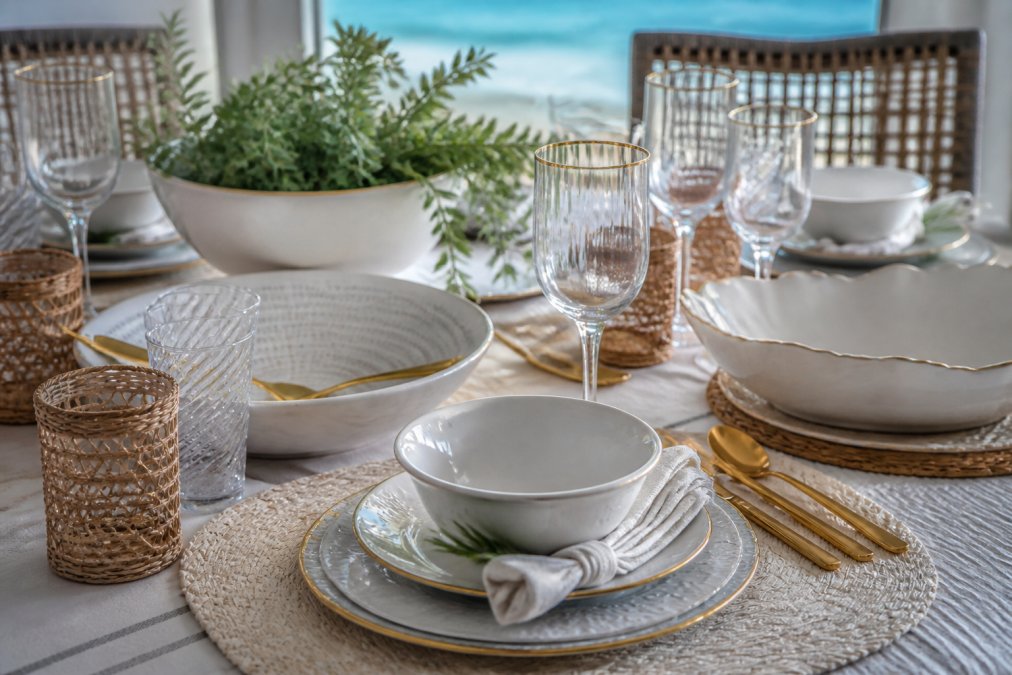
The key to successful mixing is visual cohesion. Choose a color palette and stay within it. Choose a texture theme, either smooth, modern finishes or rustic, handcrafted textures, but don't mix both extremes. When you establish these constraints, you can confidently add pieces without the table feeling chaotic.
Serving pieces are where personality emerges. A 4 Section Bowl in Shatterproof Melamine ($44.00) works for appetizers or tapas. A Round Chip & Dip ($64.00) in white porcelain with gold trim becomes a focal point on the table.
Care and Maintenance: Keeping Your Dishes Looking New
How you care for your dishes determines whether they look beautiful for years or deteriorate quickly.
Porcelain and ceramic pieces benefit from gentle handling. Hand-wash formal pieces when possible to extend their lifespan. Load everyday pieces carefully in the dishwasher, stack plates vertically rather than flat to reduce chipping, and don't overcrowd the machine.
Avoid sudden temperature changes. Don't move a hot dish directly from the oven to a cold surface, and don't rinse hot dishes with cold water. These practices cause stress fractures that develop into visible cracks over time.
For stoneware and ceramic, use non-abrasive sponges and avoid scouring pads that can scratch glazes. Soak stuck food rather than scrubbing aggressively.
Melamine pieces require minimal care, they're dishwasher-safe and virtually indestructible. Wash pieces with strong foods like curry or tomato sauce promptly, as melamine can absorb odors and stains.
Store dishes thoughtfully. Stack plates with felt pads between them to prevent scratching. Store bowls nested with padding between each piece. Keep formal pieces in a cabinet where they're protected from dust and accidental contact.
Sustainable and Eco-Friendly Dinnerware Choices
If sustainability matters to you, material choice and longevity are primary environmental considerations. A cheap set you replace every three years has a larger environmental footprint than an investment piece you keep for decades.
Porcelain and stoneware are made from natural clay fired at high temperatures, requiring significant energy. However, durability means you're not replacing them frequently. Ceramic is similar, high upfront environmental cost justified by long lifespan.
Melamine-based serving pieces present a different consideration. Many modern melamine products are formaldehyde-free and BPA-free (the FDA). The Oyster Platter ($58.00) is manufactured from formaldehyde-free polymer that's FDA-approved for food contact. These pieces are durable enough that you'll keep them for years, reducing replacement frequency.
The most sustainable choice is buying dishes you genuinely love and will use regularly. Pieces you use daily, maintain properly, and keep for years represent responsible consumption.
Conclusion
Choosing dinnerware is ultimately about understanding your entertaining patterns and daily habits, then selecting materials and styles that support them. The right dishes feel effortless to use and maintain.
Start with a neutral, durable foundation of everyday pieces. Add serving pieces and accent bowls that reflect your style. If you entertain formally, maintain a separate formal collection. Mix materials and colors intentionally, and care for your pieces thoughtfully.
At Palms 30A, we curate dinnerware that balances elegance with durability. Our collection includes handcrafted pieces like the VIDA Nube Bowl and sculptural serving vessels like the Oyster Bowls that elevate everyday entertaining. Whether building your first collection or adding special pieces to an existing set, our thoughtfully selected dinnerware brings warmth and style to your table.

Frequently Asked Questions
Q: What is the difference between stoneware and porcelain dishes?
A: Stoneware is fired at lower temperatures and tends to be thicker and more durable for everyday use, while porcelain is fired at higher temperatures, creating a harder, more elegant surface that's ideal for formal dining. Porcelain is chip-resistant and often features refined finishes like gold trim, as seen in pieces like the Small Oyster Bowl ($24). Stoneware and ceramic dishes offer warmth and texture, making them perfect for casual entertaining and comfort food meals.
Q: How do I choose the right dishes for everyday use?
A: When choosing dinnerware for everyday use, prioritize dishwasher-safe and microwave-safe options that can handle frequent washing and quick reheating. Look for chip-resistant materials like luxury melamine or durable ceramic. Consider your lifestyle: families with children benefit from shatterproof melamine bowls like the Extra Large Bowl in Melamine ($58), while those who prefer elegant everyday pieces might choose the VIDA Alegria Cereal Bowl Set of 4 ($69).
Q: What are the best dishes for formal entertaining?
A: For formal dining, choose high-fired porcelain with refined finishes. The Large Oyster Bowl ($75) and Round Chip & Dip ($64) from Palms 30A feature elegant white porcelain with gold trim, perfect for serving seafood and appetizers at special occasions. Formal dinnerware often includes matching place settings with dinner plates, salad plates, and soup bowls in coordinated styles.
Q: How many place settings should I own?
A: A basic collection includes 4 to 6 place settings for everyday use, with each setting containing a dinner plate, salad plate, and soup bowl. For entertaining, consider 8 to 12 place settings. Serving pieces like the Gold Textured 11-Plate Cluster Platter ($179) and the VIDA Nube Bowl ($45) expand your entertaining capacity without requiring additional individual place settings. Storage space and entertaining frequency should guide your final count.
Building a dinnerware collection that truly works for your lifestyle takes intention. Palms 30A makes this easier with curated pieces that combine durability, beauty, and practicality. Browse our full selection of dishes, serving pieces, and entertaining essentials to find pieces that reflect your personal taste and enhance your daily life with little luxuries.
This article was written using GrandRanker