

Golf Balls: A 2026 Buying Guide
Table of Contents
- Understanding Golf Ball Construction and Performance
- Golf Ball Compression Explained
- Best Golf Balls for High Handicappers
- Recycled vs. New Golf Balls: What You Need to Know
- Choosing the Right Ball for Your Swing Speed and Skill Level
- Golf Balls That Make a Statement: Performance Meets Personality
- Frequently Asked Questions
Last Updated: September 22, 2026
Understanding Golf Ball Construction and Performance
Golf ball construction determines performance off the tee, through the fairway, and around the green. Most golfers pick a ball based on brand loyalty or price without understanding the materials and layers that affect distance, spin rate, and feel.
2-Piece vs. Multi-Layer Construction
A 2-piece golf ball uses a solid rubber core wrapped in a durable cover. This design prioritizes distance and durability for beginners and high handicappers, generating lower spin rates off the driver for longer, straighter shots with slower swing speeds.
Multi-layer construction (3-piece or 4-piece) adds intermediate layers engineered for different compression levels. A 3-piece ball has a soft core for feel, a middle layer for spin control, and a urethane cover for short game performance. Four-piece designs optimize separate layers for driver, mid-iron, and wedge performance.
Multi-layer balls cost more and scuff more easily, rewarding better strikers with superior shot shaping. For high handicappers, a quality 2-piece ball delivers better value.
Cover Materials: Urethane vs. Surlyn
Urethane covers grip the clubface better, generating higher spin on approach shots and around the green, but scuff more easily. Surlyn covers are harder, more durable, and more forgiving on off-center hits, maintaining consistency across more shots.
High handicappers benefit from surlyn's durability; skilled players prefer urethane for control.
Golf Ball Compression Explained
Compression measures ball deformation on impact, rated 70-110. Lower compression (70-80) generates higher flight and more distance for slower swing speeds; higher compression (90-110) requires faster swing speeds to perform as designed.
The key is matching compression to swing speed. A golfer with an 85 mph driver swing speed will see better results from a 70-80 compression ball than a 100+ compression ball because softer compression activates the core fully, maximizing energy transfer.
How to Determine Your Compression Range
Most golf shops can measure swing speed with a launch monitor in under five minutes, typically at no charge or for a small fee. Once you know your swing speed, use this framework:
- Under 75 mph: 70-80 compression. A high-compression ball will feel dead off the club. Low-compression balls activate fully, producing higher launch angles and more carry distance.
- 75-85 mph: 80-90 compression. Mid-compression balls provide forgiveness without sacrificing feel and respond predictably to swing variations.
- 85-95 mph: 85-100 compression. You can handle mid-to-high compression balls effectively and generate enough spin to benefit from multi-layer construction.
- 95+ mph: 100-110 compression. Faster swing speeds activate high-compression cores fully for maximum energy return and spin separation between clubs.
Compression and Weather Conditions
Cold weather (below 50°F) makes balls play firmer; warm weather (above 80°F) softens them slightly. If you play year-round, choose a compression range that performs well across seasons.
Testing Before Committing
Use manufacturer swing speed recommendations as your starting point. If you're between compression ranges, test both before committing to a dozen balls. Play three to five rounds with each compression, paying attention to:
- How the ball feels off the driver (firm vs. soft feedback)
- Whether you're getting the distance you expect for your swing speed
- How the ball responds to mishits (does it hold its line or balloon offline?)
- Feel around the greens (softer compression often provides better short-game feedback)
Your actual performance on the course matters more than specs on a box. If a slightly softer or firmer compression produces better results for your swing, trust that over the manufacturer's recommendation.
Best Golf Balls for High Handicappers
High handicappers need forgiveness, durability, and value. A 2-piece ball with surlyn cover checks all three boxes, emphasizing distance off the tee and consistency across varied swing speeds and strike patterns.
High handicappers benefit more from playing the same ball repeatedly, learning its flight characteristics, than chasing the latest multi-layer technology.
A durable surlyn cover extends playable life. Recycled or refurbished options offer excellent value without sacrificing performance for this skill level.
Smack Talk Golf Balls Volume 4 Golfing →
Recycled vs. New Golf Balls: What You Need to Know
Recycled golf balls are used balls collected and graded; refurbished balls undergo additional cleaning, re-coating, and re-marking. Both cost significantly less than new balls while delivering comparable performance.

Recycled balls divert waste from landfills and reduce the resource footprint per ball, appealing to environmentally conscious players.
Performance-wise, a mint-condition recycled ball plays identically to a new ball of the same model. The distinction comes in durability and cosmetics. A recycled ball may have minor scuffs or discoloration that don't affect flight but do affect appearance. For practice rounds or casual play, this is irrelevant. For tournament play where appearance matters, new balls make sense.
The real advantage of recycled balls is cost. You can buy three recycled balls for the price of one new ball, reducing the financial sting of losing balls. For high handicappers who lose multiple balls per round, recycled options are practical and responsible.
Choosing the Right Ball for Your Swing Speed and Skill Level
Your swing speed is the single most important factor in ball selection. It determines which compression range will perform optimally and which cover material will generate the spin characteristics your swing needs. However, swing speed alone isn't enough, you must also account for skill level, playing conditions, and what aspects of your game matter most.
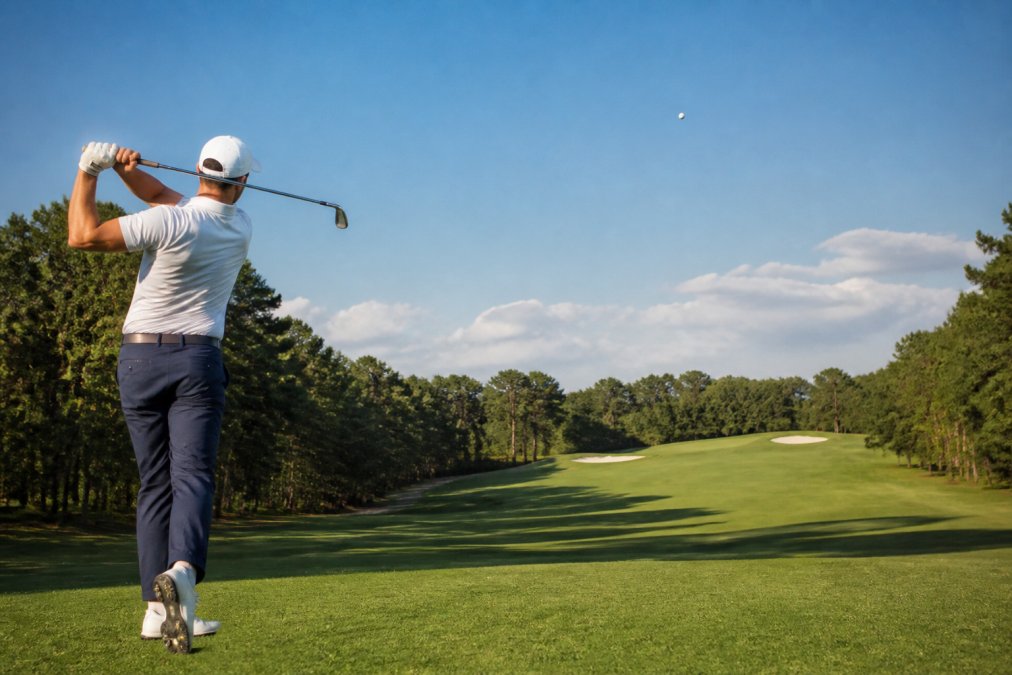
Swing Speed Tiers and Ball Recommendations
Golfers with swing speeds under 85 mph benefit from low compression (70-80) 2-piece balls with surlyn covers. These balls compress fully on impact, maximizing distance and launch angle. The surlyn cover provides durability and forgiveness. For this group, distance off the tee is often the limiting factor, so prioritizing a ball that activates fully on slower swings pays immediate dividends.
Mid-range swing speeds (85-95 mph) have more flexibility. A mid-compression 2-piece or entry-level 3-piece ball works well. At this speed, you're starting to generate meaningful spin, so a ball with slight performance differentiation between layers begins to matter. You can also begin to benefit from urethane covers if you prioritize short-game control, though surlyn remains a solid choice for durability.
Faster swing speeds (95+ mph) unlock the benefits of multi-layer construction.
Skill Level Compounds Swing Speed
Use this overlay:
- High handicappers (18+ handicap): Prioritize forgiveness and durability over spin control. A 2-piece ball with a wide sweet spot and surlyn cover will outperform a premium multi-layer ball in your hands. You'll also lose fewer balls to the woods, so durability matters more than feel.
- Mid-handicappers (10-18 handicap): You're developing consistency. A quality 2-piece or entry-level 3-piece ball matches your skill level. You can begin to exploit spin control on approach shots, so a urethane cover becomes more valuable. Test both surlyn and urethane to see which produces better short-game results for your swing.
- Low handicappers (under 10 handicap): You have the consistency to benefit from premium multi-layer construction. Spin separation between clubs, shot shaping control, and feel matter because you can execute the shots the ball enables. A high-compression urethane-covered ball will reward your swing.
Playing Conditions and Ball Selection
- Windy courses: A lower-spinning ball (typically 2-piece with surlyn) holds its line better in wind. If you play frequently on windy courses, prioritize a ball that resists ballooning off-line rather than one optimized for maximum spin.
- Wet conditions: Surlyn covers maintain spin consistency in wet grass better than urethane, which can get slick. If your course is wet year-round, surlyn is the practical choice even if you'd prefer urethane for feel.
- Firm, fast greens: A softer-feeling ball (lower compression, urethane cover) provides better feedback for speed control on lightning-fast greens. Hard surlyn covers can feel dead and make distance control harder.
- Tight, target-golf courses: If you play courses where accuracy matters more than distance, a ball with good spin control (3-piece or 4-piece with urethane) helps you hold greens and shape shots. A pure distance ball may leave you short or offline.
Testing Framework
- Buy a sleeve (3 balls) of your target compression and play three to five rounds with it.
- Track performance: Note distance off the tee, consistency, feel, and short-game response. Compare to your current ball if you have one.
- Test in varied conditions: Play in wind, rain, and calm conditions. A ball that excels in calm weather may struggle in wind.
- Evaluate the short game: Hit 10-15 approach shots and chips with the test ball. Does the feel match your preference? Does it respond predictably to different swing speeds?
- Commit only after testing. If the ball performs well across conditions and skill level, buy a dozen. If it underperforms in one area, try a different compression or cover material.
Golf Balls That Make a Statement: Performance Meets Personality
Golf balls don't have to be plain white spheres. Colored balls, custom markings, and personality-driven designs add fun to the game while maintaining performance standards. Golf balls don't have to be plain white spheres. Colored balls, custom markings, and personality-driven designs add fun to the game while maintaining performance standards.
Frequently Asked Questions
What is the best golf ball for an average golfer?
The best golf ball for an average golfer balances distance, control, and feel without excessive cost. Look for mid-compression balls (80-90 compression) with a 2-piece or 3-piece construction. These deliver solid distance off the tee while providing enough spin control for approach shots and the short game. Your swing speed matters most, if you swing under 80 mph, choose a lower-compression ball for better energy transfer.
How does compression affect golf ball performance?
Compression measures how tightly wound the ball's core is. Lower compression (70-80) balls compress more easily, making them ideal for slower swing speeds and generating greater distance with less effort. Higher compression (90+) balls require faster swings to compress properly and offer better control for experienced players. Matching compression to your swing speed ensures optimal ball flight, launch angle, and shot dispersion.
Are recycled golf balls as good as new ones?
Recycled and refurbished golf balls perform nearly as well as new ones, especially if they're in mint condition or near-mint grading. The core technology and dimple pattern remain intact after one round of play. Recycled balls cost significantly less and are an environmentally responsible choice. The main drawback is cosmetic, they may have minor scuffs, but performance metrics like spin rate, trajectory, and distance are comparable to new balls.
What's the difference between multi-layer and two-piece golf balls?
Two-piece balls have a solid core wrapped in a single cover layer, offering maximum distance and durability at a lower price. Multi-layer balls (3-piece, 4-piece) add intermediate layers between the core and cover, providing better spin separation, more spin on short shots and less on drives. Multi-layer construction suits golfers seeking superior short game control and shot dispersion, while two-piece balls work well for players prioritizing distance and forgiveness.