

How to Care for Handmade Accessories: A Complete Guide
Table of Contents
- Why Handmade Accessories Need Special Care
- The Best Way to Clean Handmade Jewelry
- Preventing Tarnish on Handmade Jewelry
- How to Store Artisan Accessories Properly
- Avoiding Chemical Exposure and Damage
- Tools and Products for Handmade Accessory Care
- When to Seek Professional Inspection
- Conclusion
Last Updated: August 19, 2026
Why Handmade Accessories Need Special Care
Handcrafted jewelry and artisan accessories require different care than mass-produced items. They're made with intention, often using natural fibers, delicate beads, resin, or hand-worked metals that demand attention to preserve their longevity and uniqueness. Unlike factory items designed for rapid replacement, artisan pieces develop character over time, a handcrafted metal bracelet may develop natural patina, a beaded necklace can last decades with proper storage, and resin pieces maintain clarity when protected from sunlight and humidity extremes.
At Palms 30A, we understand that choosing handmade over mass-market reflects a commitment to quality. The difference between a piece that looks beautiful for years and one that deteriorates quickly comes down to preventative maintenance. Most people wait until damage appears; the smarter approach is preventing it from happening in the first place.
The Best Way to Clean Handmade Jewelry
The ideal cleaning approach depends entirely on what your piece is made from. A one-size-fits-all method will damage delicate materials while failing to properly clean strong ones.
Gentle Cleaning for Delicate Materials
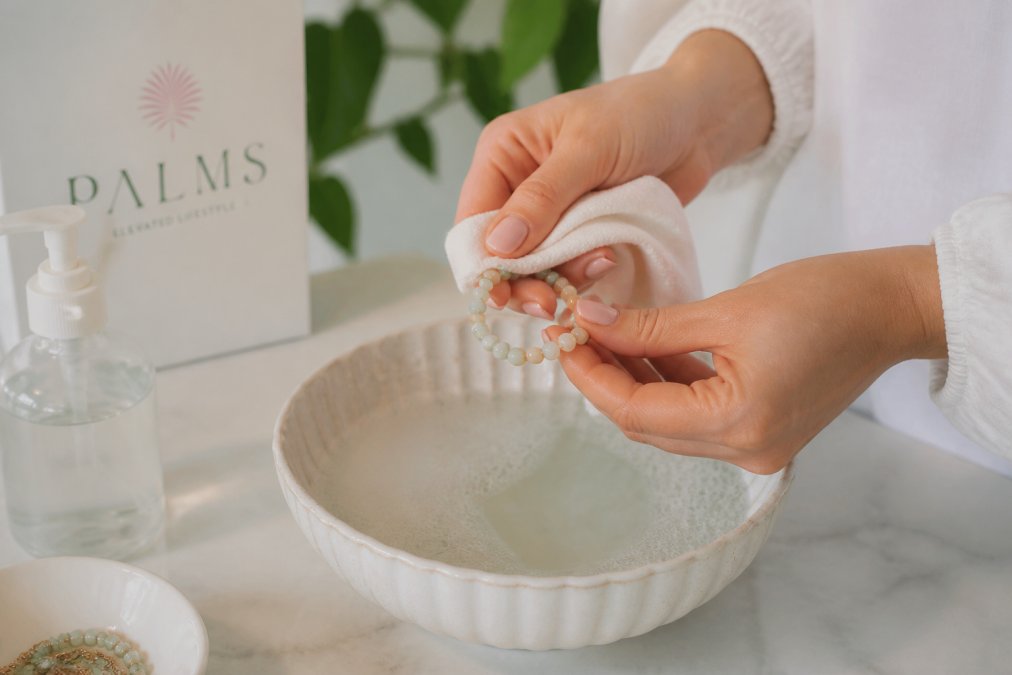
Delicate materials like natural fibers, handmade yarn wraps, and soft beads require minimal water and maximum care. Start with a soft cloth slightly dampened with lukewarm water and gently wipe the surface, focusing on areas where dirt accumulates. For yarn-wrapped or fiber-based accessories, avoid soaking entirely.
For stubborn spots, create a solution of one part mild soap to ten parts warm water. Dip your soft cloth into this solution, wring it out thoroughly so it's barely damp, and gently wipe the problem area. Follow immediately with a cloth dampened in plain water to remove soap residue. Pat dry with a clean cloth and allow the piece to air dry completely before wearing or storing.
Never use an ultrasonic cleaner on delicate handmade pieces. These devices use high-frequency vibrations that can dislodge beads, crack resin, or damage natural materials.
Cleaning Metal, Resin, and Beaded Pieces
Metal components respond well to gentle cleaning with mild soap and warm water. Create a solution using a few drops of mild dish soap in warm water, soak your metal pieces for a few minutes, then use a soft cloth or jewelry brush to gently remove dirt or buildup, paying special attention to crevices.
For beaded jewelry strung on natural materials like cotton or silk, avoid prolonged soaking. Use the damp cloth method instead. If beads are permanently attached to metal, you can be more thorough with gentle soap and water.
Resin pieces require particular care. Clean them with a soft cloth barely dampened in plain lukewarm water. If you need to remove stubborn dirt, add a tiny drop of mild soap. Wipe gently and immediately dry. Never soak resin in water or use hot water, as temperature shock can cause cracking.
After cleaning any piece, ensure it's completely dry before storing. Moisture left on metal causes oxidation, while moisture trapped in natural fibers promotes mildew.
Preventing Tarnish on Handmade Jewelry
Tarnish is the natural oxidation that occurs when metal reacts with air, moisture, and certain chemicals. Understanding this process is central to long-term care for handmade accessories with metal components.
Understanding Oxidation and Patina
Oxidation happens when metal reacts with oxygen in the air. On silver, this creates a dark gray or black coating. On copper and brass, it produces a greenish layer. The rate depends on environmental factors: humidity, temperature fluctuations, and chemical exposure.
Patina is intentional oxidation that some artisans create for aesthetic purposes. If your handmade jewelry has intentional patina, preserve it by avoiding aggressive polishing. For pieces without intentional patina, minimize the metal's exposure to moisture and air through proper storage.
Daily Wear Precautions
Remove handmade jewelry before showering or bathing. Warm water and steam accelerate oxidation. Chlorine in pools and hot tubs is particularly damaging, corroding metal and discoloring beads and resin.
Apply lotions, perfumes, and cosmetics first, then put on your handmade jewelry once everything has dried. This simple habit significantly reduces chemical exposure. Hand sanitizers, cleaning products, and household chemicals should prompt immediate removal of handmade accessories, as these substances are highly corrosive to metal and can damage natural fibers and resin.
Sweat contains salts and acids that promote oxidation on metal and weaken natural fiber strands. If you wear handmade jewelry during exercise or in hot weather, rinse and dry the pieces as soon as possible afterward.
How to Store Artisan Accessories Properly
Storage is where most people fail in caring for handmade accessories. A beautiful handcrafted piece left in a humid bathroom or exposed to direct sunlight will deteriorate far faster than one stored thoughtfully. maintaining wooden accessories.
Storage Solutions for Different Climates
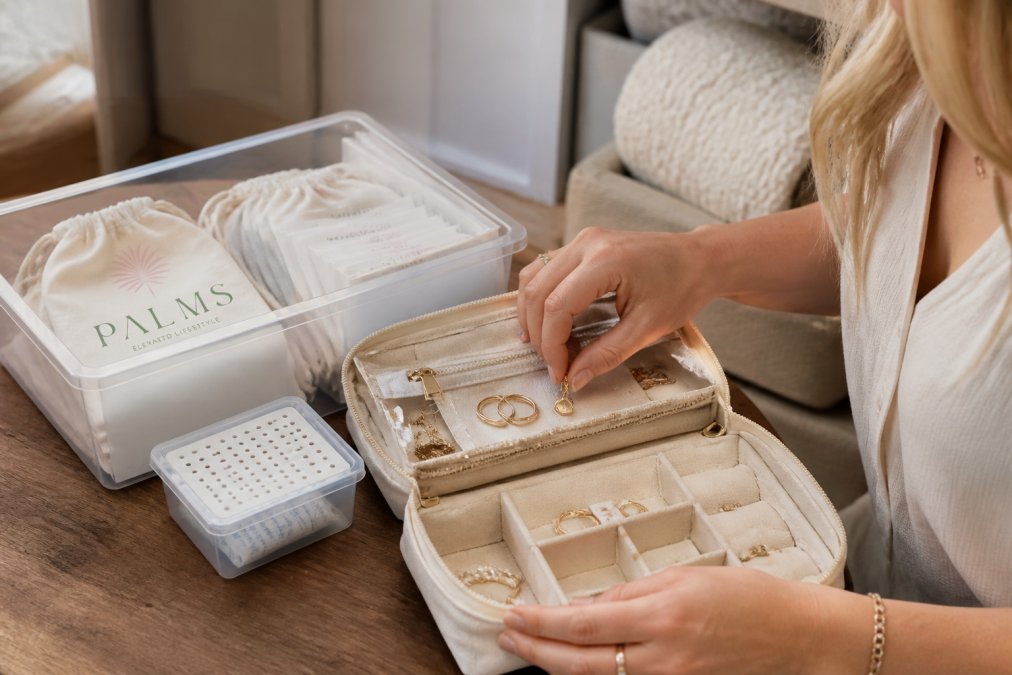
The ideal storage environment is cool, dry, and dark, with temperatures between 60-75°F and humidity levels between 30-50%. In humid climates, invest in a small dehumidifier for your storage area or use silica gel packets inside storage containers to absorb excess moisture.
For metal pieces, anti-tarnish strips placed in your storage container actively prevent oxidation by absorbing the gases that cause tarnish. Replace them every 6-12 months depending on how many pieces you're storing and your local humidity.
Store handmade jewelry in airtight containers or sealed pouches to minimize exposure to air and humidity fluctuations. Soft fabric pouches protect pieces from scratches and dust. Never store handmade accessories in plastic bags without ventilation, as condensation can form inside sealed plastic, creating a humid microclimate that promotes oxidation and mildew.
Direct sunlight causes resin to yellow, fades natural dyes on fibers, and can damage delicate beads. Store all handmade jewelry in a dark location, away from windows and direct light.
Organizing Your Collection
Organization makes regular inspection easier, helping you catch problems early. Organize your handmade accessories by material type: metal pieces together, resin pieces together, fiber-based pieces together. This makes it easier to apply appropriate care routines.
Label your storage containers with contents and organization date. Inspect your handmade jewelry every 3-4 months for loose beads, emerging tarnish, or signs of fiber deterioration. Catching these issues early allows for simple maintenance rather than major repairs.
Avoiding Chemical Exposure and Damage
Chemical exposure is one of the most common causes of preventable damage to handmade accessories. Household cleaning products, especially those containing bleach or ammonia, are highly damaging. Remove handmade jewelry before cleaning your home. If you accidentally expose a piece to harsh chemicals, rinse it immediately in fresh water and dry it thoroughly.
Hair products like hairsprays, styling gels, and dry shampoos contain compounds that build up on metal and can damage delicate beads. Apply these products before putting on handmade jewelry.
Sunscreen and insect repellent contain oils and chemicals that react with metal and can damage resin. Apply these before wearing handmade accessories, or remove your jewelry before application.
Temperature extremes cause stress on all materials. Don't leave handmade jewelry in hot cars or direct sunlight for extended periods. Avoid storing pieces near heating vents, air conditioning units, or anywhere temperatures fluctuate dramatically.
Tools and Products for Handmade Accessory Care
You don't need an extensive collection of specialized tools. A few basic items will handle nearly all maintenance needs.
A soft cloth is essential. Microfiber cloths are ideal because they're gentle on all materials and effective at removing dust and light dirt. A soft jewelry brush with natural bristles helps clean intricate areas and textured metal surfaces. Mild dish soap is your primary cleaning agent, it's gentle enough for all materials and effective at removing oils and light dirt.
Silica gel packets are inexpensive and highly effective for moisture control in storage containers. Anti-tarnish strips are specifically designed for metal jewelry storage and last several months before needing replacement. A jewelry storage organizer with individual compartments keeps pieces separated and protected.
If you own handmade hair accessories like the Boar Bristle Hair Brush in Teal With It, care requires a different approach than metal or beaded jewelry. These brushes benefit from regular gentle cleaning with a soft cloth and occasional rinsing in lukewarm water. Allow them to air dry completely before storing. Avoid soaking hair accessories in water, as moisture can damage both bristles and any metal components.

When to Seek Professional Inspection
Some damage to handmade accessories requires professional attention. If a bead is loose or a stone is becoming dislodged, have it professionally inspected before wearing the piece. Movement during wear can cause the bead to fall off completely.
If a strand of beads is breaking or natural fiber is fraying, professional restringing or repair is typically necessary. If metal components show signs of structural damage, bending, cracking, or breaking, consult a professional before attempting repairs. If tarnish is severe and won't respond to gentle polishing, a professional can clean the piece safely using specialized methods.
When in doubt, ask. Many artisans and jewelry professionals offer free consultations and can advise whether your handmade accessory needs professional attention or if home care is sufficient.
Handmade accessories deserve more than casual storage and occasional cleaning. When you choose artisan pieces from Palms 30A's curated collection, you're investing in items meant to last for years. Proper care protects that investment and ensures your pieces remain beautiful and wearable. Start with the basics: gentle cleaning with mild soap and water, complete drying, and storage in cool, dry, dark conditions with appropriate moisture control. These simple practices prevent most common damage and will keep your favorite pieces looking their best for decades to come.
Frequently Asked Questions
How do I prevent my handmade jewelry from tarnishing?
Store pieces in a cool, dry place away from moisture and humidity. Use anti-tarnish strips inside storage containers to slow oxidation. Avoid exposing handmade jewelry to lotions, perfumes, and harsh chemicals. Remove jewelry before swimming or showering. For metal pieces, polishing with a soft cloth every few weeks maintains their shine and protective coating. Proper preventative maintenance extends the longevity of your artisan accessories significantly.
What is the best way to clean handmade jewelry without causing damage?
Use a mild soap solution with warm water and a soft cloth for most pieces. For delicate materials like resin or beaded jewelry, avoid ultrasonic cleaners and instead gently wipe with a damp cloth. Pat dry immediately to prevent moisture damage. A jewelry brush with soft bristles works well for detailed pieces. For specific materials, tailor your approach: natural fibers need extra care to avoid water damage, while metal pieces benefit from gentle polishing to maintain their finish.
How should I store handmade accessories to prevent damage?
Store items in a protective storage pouch or container in a cool, dry location. Keep pieces separated to avoid tangling or scratching. Use anti-tarnish strips for metal items and maintain low humidity levels, especially in coastal or damp climates. Store away from direct sunlight to prevent fading. Beaded jewelry and pieces with natural fibers should be kept in breathable pouches. Organize by material type for easier access and better protection of your artisan collection.
Can I use household items to clean my handcrafted accessories?
Yes, but with caution. A mild soap solution made from dish soap and warm water works for most materials. A soft cloth or old toothbrush can gently clean detailed areas. Avoid harsh chemicals, vinegar on delicate pieces, and abrasive scrubbing. For specific materials, test your cleaning method on an inconspicuous area first. Many artisans recommend keeping cleaning simple with warm water and soft cloth rather than experimenting with household items that could cause unintended damage to your handmade pieces.
This article was written using GrandRanker