

Mahjong: A Complete Guide to Rules, Strategy & Play
Table of Contents
- What Is Mahjong?
- How to Play Mahjong: Setup and Basic Mechanics
- Understanding Mahjong Tiles and Symbols
- American vs. Chinese Mahjong: Key Differences
- Mahjong Strategy Tips for Competitive Play
- Cognitive Benefits and Why Mahjong Matters
- Elevate Your Game With Quality Equipment
- Conclusion
Last Updated: August 26, 2026
What Is Mahjong?
Mahjong is a tile-based game that combines strategy, skill, and pattern recognition in a way that's captivated players for centuries. At its core, the game involves drawing and discarding tiles to form matching pairs and specific combinations called melds. Unlike many games that rely purely on luck, mahjong rewards players who think several moves ahead and adapt to changing board states.
The game emerged in China during the 19th century and has since evolved into multiple regional variations, each with distinct rules and tile sets. Whether you're drawn to the meditative rhythm of casual play or the competitive intensity of tournament mahjong, understanding the fundamentals transforms the experience from confusing to deeply engaging.
What makes mahjong particularly compelling is how it engages your mind. The game requires you to track what tiles remain in play, anticipate opponents' moves, and make split-second decisions about which tiles to keep and which to discard. It's this blend of luck and skill that has made mahjong a cultural cornerstone in many communities and a growing pastime in Western households.
How to Play Mahjong: Setup and Basic Mechanics
Setting Up Your Game
Before you draw your first tile, the setup phase establishes the foundation for the entire game. A standard mahjong set contains 144 tiles divided into several categories: suits (bamboo, dots, and characters), honor tiles (winds and dragons), and bonus tiles (seasons and flowers). Each player receives a tile rack to hold their tiles hidden from opponents.

The game begins with players building a wall of tiles in the center of the table. This wall is then broken at a random point, and each player draws tiles in turn. The setup typically takes five to ten minutes, depending on how familiar players are with the process. Once everyone has their initial hand of 13 tiles, the game officially begins.
Proper setup matters because it ensures fair play and prevents disputes later. Take time during setup to verify that all 144 tiles are present and that each player understands their position at the table. Many casual players skip this step, but doing it correctly eliminates confusion about whose turn it is and who discards next.
Turn-Based Gameplay: Draw, Discard, and Matching Pairs
Mahjong gameplay follows a straightforward turn structure that becomes second nature after a few rounds. On your turn, you draw one tile from the wall, bringing your hand to 14 tiles. You then must discard one tile face-up to the center of the table. This cycle continues until someone completes a winning hand.
The goal is to form a complete hand consisting of either four melds and one pair, or special winning combinations depending on the variation you're playing. A meld is a set of three or more tiles that form a valid combination. The three primary meld types are:
- Pung: Three identical tiles (three bamboo 5s, for example)
- Kong: Four identical tiles (all wind east tiles)
- Chow: Three consecutive tiles of the same suit (bamboo 2, 3, 4)
When another player discards a tile you need, you can claim it by calling "pung," "kong," or "chow" depending on what you're completing. This interrupts normal turn order and gives you the advantage of claiming discarded tiles. The strategic depth emerges here: do you hold onto tiles hoping to draw what you need, or do you claim discards and reveal your intentions to opponents?
Open pairs, which appear when you have two identical tiles, are crucial. Once you have four melds and one open pair, you win the hand. Some variations require specific winning combinations or bonus tiles to complete your hand, adding layers of complexity to casual play.
Understanding Mahjong Tiles and Symbols
The 144 tiles in a standard mahjong set are divided into distinct categories, each with unique symbols and strategic value. Understanding what each tile represents helps you recognize patterns and make faster decisions during play.
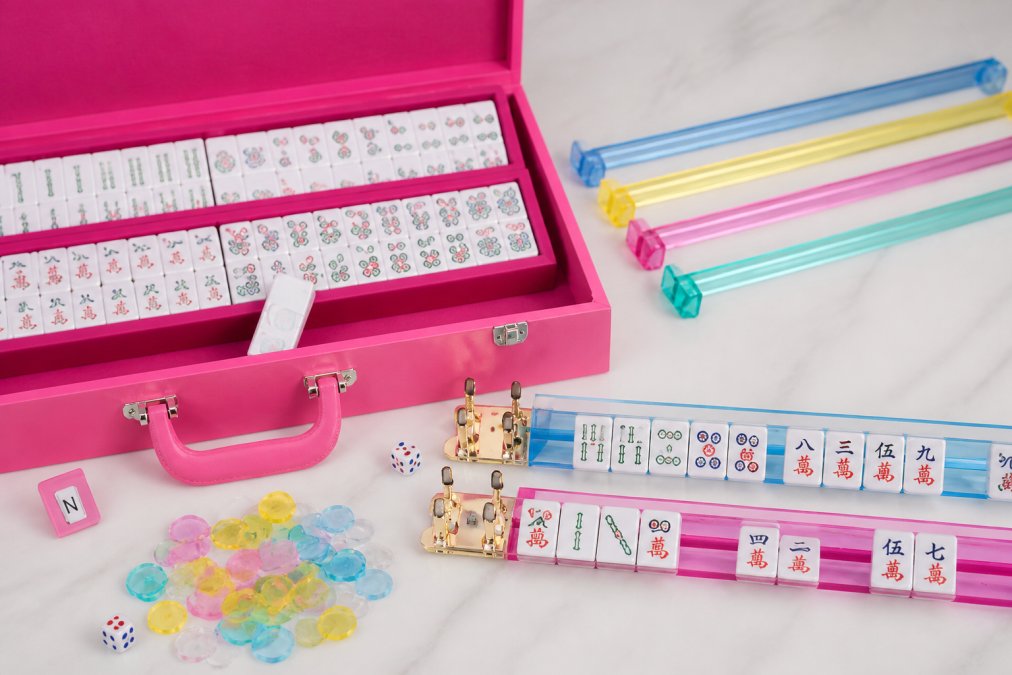
The suit tiles form the backbone of the game. Bamboo tiles display stalks (one through nine), dot tiles show circles (one through nine), and character tiles feature Chinese numerals (one through nine). These three suits mirror the structure of playing cards but with nine ranks instead of thirteen.
The honor tiles include winds (east, south, west, north) and dragons (red, white, green). These tiles are more valuable than suit tiles in many hands and often form the foundation of winning combinations. Dragon tiles are particularly prized because they're essential for certain premium hands.
Bonus tiles (seasons and flowers) appear only in some variations and add decorative value. In American mahjong, these tiles play a more prominent role in scoring. In Chinese mahjong, they're often optional and used primarily in casual play.
The International Mahjong Card serves as a helpful reference guide when you're learning. This standardized card shows all tile combinations and winning patterns, making it invaluable for players transitioning between different mahjong variations. Resources on mahjong tile standardization help players understand how different regions organize and value tiles.

American vs. Chinese Mahjong: Key Differences
The two dominant mahjong traditions, American and Chinese, share the same fundamental tile-based gameplay but diverge significantly in rules, scoring, and hand requirements. Understanding these differences matters if you're learning from friends who play a different variation or considering joining a local mahjong group.
Chinese mahjong emphasizes simplicity and speed. Hands are typically completed faster, and the rule set is more flexible, allowing for house rules and regional variations. The game focuses on basic melds and pairs, with straightforward scoring. Chinese mahjong suits casual players and family gatherings because games move quickly and the learning curve is gentler.
American mahjong introduces standardized rules and a more complex hand-scoring system. The game uses the International Mahjong Card, which catalogs all legal winning hands and their point values. This standardization makes American mahjong ideal for competitive play and tournament settings. Games tend to last longer because hands are more specific and harder to complete, but the structured approach appeals to players who want consistency and fair play across different groups.
A critical difference lies in bonus tiles. American mahjong incorporates seasons and flowers as integral parts of the game, while Chinese mahjong often treats them as optional. American rules also use a discard wall and a more rigid turn structure, whereas Chinese mahjong allows more flexibility in how players claim discarded tiles. custom gaming tables.
If you're joining a mahjong group, ask whether they play American or Chinese rules. The variation affects everything from how you hold your tiles to which hands count as winners. Many casual players blend both traditions, creating hybrid house rules that work for their group.
Mahjong Strategy Tips for Competitive Play
Strategic mahjong separates casual players from competitive ones. The game rewards planning, observation, and the ability to adapt when circumstances change. These strategies apply primarily to competitive play, though they enhance casual games as well.
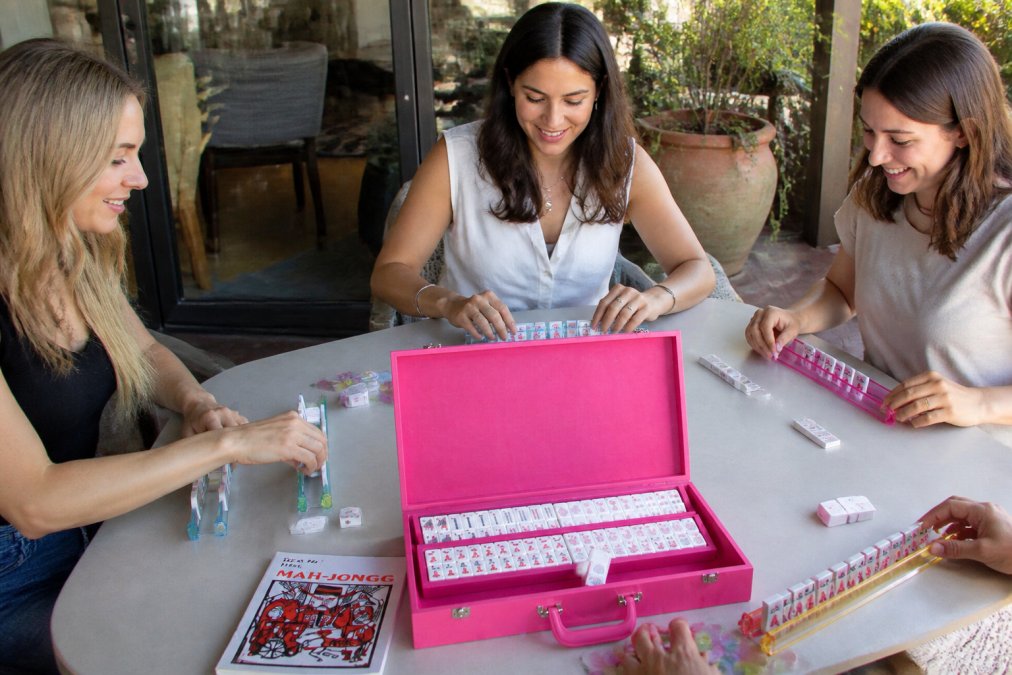
Track discards carefully. Pay attention to which tiles other players discard. If someone discards three bamboo tiles early and never claims bamboo discards later, they're likely not building a bamboo-heavy hand. This information helps you predict what tiles are safe to discard and which ones might be claimed immediately.
Balance your hand. Early in the game, keep tiles from multiple suits rather than committing to one suit too quickly. This flexibility lets you pivot toward winning hands as the game develops. Players who lock into a single suit too early often find themselves stuck when the tiles they need don't appear.
Watch for patterns. Experienced players recognize when someone is close to winning. If a player claims multiple discards in quick succession, they're assembling melds rapidly. This is your signal to discard carefully and avoid giving them the tiles they need.
Discard high-value tiles strategically. Honor tiles and terminal tiles (ones and nines) are riskier to hold because they're less likely to be claimed. Discard them when you're confident they won't help opponents complete winning hands. Conversely, keep middle-range suit tiles longer because they're more versatile.
Understand hand probability. Some winning hands are mathematically more likely to complete than others. Hands requiring specific sequences of tiles take longer to assemble. Early in the game, pursue flexible hands that can adapt to available tiles. As the game progresses and more tiles are revealed, shift toward specific hands you can actually complete.
Manage your concealment. In open-hand mahjong, other players see your melds. Use this to your advantage by discarding tiles that make opponents think you're pursuing hands you've actually abandoned. This misdirection can protect your actual winning hand from interference.
Cognitive Benefits and Why Mahjong Matters
Beyond entertainment, mahjong engages your brain in ways that support long-term cognitive health. The game combines pattern recognition, memory, strategic planning, and social interaction, all factors that research associates with maintaining mental sharpness.
Playing mahjong regularly exercises your working memory as you track which tiles have been discarded, which tiles opponents might need, and which combinations remain possible (apa.org). This constant mental exercise strengthens neural pathways associated with memory and attention. The pattern-recognition demands of mahjong, identifying melds, spotting winning combinations, and predicting opponent moves, activate the same cognitive systems used in problem-solving and mathematical thinking.
The social component of mahjong adds another cognitive benefit. Playing with others requires communication, negotiation, and reading social cues. These interactions stimulate different brain regions than solitary games and contribute to overall cognitive resilience. Older adults who engage in regular social gaming show better cognitive outcomes than those who play games alone (peer-reviewed research).
Mahjong also provides a meditative quality that appeals to many players. The rhythmic nature of drawing, discarding, and evaluating tiles can induce a focused, present-minded state similar to meditation. This mental state reduces stress and provides a break from the constant stimulation of digital devices.
For players seeking mental engagement, mahjong offers a healthier alternative to passive entertainment. The game demands active participation and strategic thinking, making it particularly valuable for maintaining cognitive function as you age.
Elevate Your Game With Quality Equipment
The experience of playing mahjong improves dramatically with quality equipment. A well-made tile set and a proper mahjong table transform casual play into something genuinely luxurious and engaging.
At Palms 30A, we understand that the right equipment enhances not just gameplay but the entire social experience around mahjong. The Ellen Mahjong Set features a polished stingray leather case with a rich microfiber interior, making it portable enough to take anywhere while maintaining the elegance that makes mahjong special. At $259, this set combines durability with aesthetic appeal, the kind of piece you'll actually want to display and use regularly.
For players who host regular mahjong nights, the Custom Mahjong Table represents the ultimate investment. At $1,900, this fully customizable table features a removable tabletop for easy storage, retractable cup holders that keep drinks conveniently tucked away, and your choice of high-gloss colors to match your décor. A dedicated table transforms mahjong from a casual activity into an anticipated event that guests look forward to attending.

For players who want to elevate their setup without major investment, the Oh My Mahjong Mat - Zen Glow ($90) adds visual energy to your playing surface. Created in collaboration with Colordrunk Designs, this mat features bold geometric patterns in electric teals, neon pinks, and striking yellows, perfect for players who want their game nights to feel vibrant and special.
New players often ask about guides and references. The International Mahjong Card ($16) is an invaluable tool that shows all tile combinations and winning patterns in one accessible reference. This card eliminates confusion about what hands are legal and helps players learn faster by providing immediate clarity during gameplay.
Quality equipment matters because mahjong is as much about creating an experience as it is about winning hands. When your tiles feel substantial in your hands, when your table is stable and beautiful, and when your setup reflects care and intention, the entire game feels elevated. Players are more likely to return for regular sessions, and the game itself becomes something worth investing in.
Mahjong offers far more than a way to pass an evening. It's a game that sharpens your mind, deepens your social connections, and rewards strategic thinking. Whether you're a casual player learning the basics or someone considering hosting regular mahjong nights, the right approach to setup, strategy, and equipment transforms the experience. At Palms 30A, we've curated mahjong sets and tables designed to bring elegance and quality to your game nights. Explore our collection of mahjong equipment and discover how the right setup can make every hand more engaging and memorable.
Frequently Asked Questions
Q: What are the basic rules of mahjong?
A: Mahjong is a tile-based game where players draw and discard tiles to form matching pairs and winning combinations. The standard game uses 144 tiles divided into suits: bamboo, dots, characters, winds, dragons, and flowers. Players take turns drawing one tile and discarding another, aiming to complete a hand of 14 tiles arranged into four melds (pung, kong, or chow) plus a pair. The first player to achieve a valid winning hand wins the round. Depending on the variation, some tiles may be blocked from being claimed, and rules for open pairs can differ.
Q: How do you play mahjong for beginners?
A: Start by learning the 144 tiles and their symbols: bamboo, dots, characters, wind tiles, and dragon tiles. Set up the game by building a wall of tiles, then distribute 13 tiles to each of four players. On your turn, draw one tile from the wall and discard one tile you don't need. Work toward creating matching pairs and melds. The International Mahjong Card ($16) is perfect for beginners, it clarifies modern rules and is accessible for all players. Focus on understanding basic melds and pairs before attempting advanced strategies.
Q: What is the difference between American and Chinese mahjong?
A: American mahjong often uses a card guide that changes annually, specifying required hand patterns and tile combinations. Chinese mahjong is more flexible, allowing players to create their own winning hands without a preset pattern card. American mahjong is typically played with four players and emphasizes following a card, while Chinese mahjong is often faster-paced and relies more on pattern recognition and player discretion. American rules can involve more complex tile-calling mechanics and specific bonus scoring, whereas Chinese mahjong often uses simpler point calculations.
Q: Is mahjong a game of skill or luck?
A: Mahjong combines both skill and luck. Luck determines which tiles you draw from the wall, but skilled players excel at reading the board, remembering discarded tiles, and predicting opponents' hands. Strategy tips include tracking which tiles have been discarded, recognizing potential tiles for opponents, and adapting your hand based on what other players are collecting. Pattern recognition and memory are critical, experienced players often win consistently because they understand tile probability and adapt their strategy mid-game. Over time, skill becomes a significant factor in competitive play.
This article was written using GrandRanker