

Sustainable Fashion vs Fast Fashion Guide
Table of Contents
- Sustainable Fashion vs Fast Fashion: The Core Differences
- Environmental Impact: Textile Waste, Water, and Carbon Footprint
- Ethical Labor Practices and Supply Chain Transparency
- How to Identify Greenwashing in Fashion
- Cost Per Wear Calculation: The Smarter Way to Shop
- How to Build a Capsule Wardrobe That Embraces Sustainable Fashion
- End-of-Life Garment Management: What to Do When Clothes Wear Out
- Conclusion
Last Updated: August 11, 2026
Sustainable Fashion vs Fast Fashion: The Core Differences
Sustainable fashion prioritizes environmental responsibility, ethical labor practices, and long-term garment quality. Fast fashion is a mass-production model built on rapid trend replication, low-cost synthetic materials, and high-volume turnover that treats clothing as disposable. One system is designed to last; the other is engineered to be replaced.
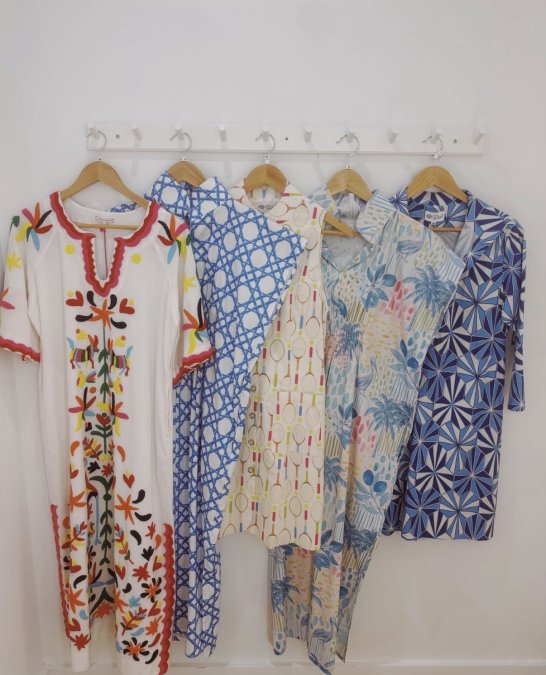
The slow fashion movement emerged as a direct counterpoint to fast fashion's overproduction and planned obsolescence. Slow fashion values garment longevity, transparent supply chains, and conscious consumerism. The difference shows up in how your clothes feel after 50 washes, not just after one.
Quick Comparison: Sustainable vs Fast Fashion
Factor |
Sustainable Fashion |
Fast Fashion |
|---|---|---|
Production speed |
Seasonal or on-demand |
Weekly micro-drops |
Materials |
Organic cotton, recycled polyester, biodegradable fibers |
Synthetic fibers, virgin polyester |
Labor standards |
Fair wages, audited supply chains |
Often unverified, low-cost labor |
Price point |
Higher upfront cost |
Low sticker price |
Garment lifespan |
Years to decades |
Often under 10 wears |
Environmental impact |
Lower carbon footprint, less textile waste |
High water consumption, chemical runoff |
Business model |
Circular economy principles |
Linear take-make-dispose |
The Real Cost of Cheap Clothing
The sticker price on fast fashion tells you almost nothing about its actual cost. Textile waste from mass production ends up in landfills at staggering volumes. Low prices are made possible by suppressing labor costs, using cheap synthetic fibers that shed microplastics, and externalizing environmental damage onto communities near production facilities.
A garment that costs more but lasts five years almost always beats one that costs less but falls apart in a season. That calculation changes everything about how you shop.
Environmental Impact: Textile Waste, Water, and Carbon Footprint
Textile production is one of the most resource-intensive industries on the planet. According to the U.S. Environmental Protection Agency's overview of sustainable materials management, textiles represent a significant and growing share of municipal solid waste, with most discarded clothing ending up in landfills rather than recycling streams.
Fast fashion accelerates this problem through overproduction and destruction of unsold inventory. The carbon footprint of producing, shipping, and disposing of these garments compounds across the entire supply chain. Water consumption in cotton dyeing and finishing processes contaminates local waterways near manufacturing hubs.
Eco-friendly materials directly address these issues. Recycled polyester diverts plastic waste from oceans and landfills. Organic cotton eliminates synthetic pesticides and reduces water consumption. Biodegradable fabrics return to the earth without releasing persistent pollutants. Consumers who invest in longer-lasting garments generate less textile waste per year than those cycling through fast fashion hauls.
Eco-Friendly Materials Worth Knowing
Not all sustainable materials are equal. Here are the most common options:
- Organic cotton: Grown without synthetic pesticides or fertilizers, certified by GOTS. Uses less water than conventional cotton.
- Recycled polyester (rPET): Made from post-consumer plastic bottles or recovered ocean plastic. Reduces demand for virgin petroleum-based fibers.
- Tencel/Lyocell: A wood-pulp-derived fiber produced in a closed-loop process. Biodegradable and soft against skin.
- Hemp: Fast-growing, requires minimal water and no pesticides. Produces durable fabric that softens over time.
- Linen: Made from flax, which grows in poor soil with little water. Naturally biodegradable and long-lasting.
Ethical Labor Practices and Supply Chain Transparency
Supply chain transparency is the clearest dividing line between genuinely sustainable fashion and greenwashing. Fast fashion's low prices depend on suppressing labor costs, often in countries with limited worker protections. Fair wages, safe working conditions, and audited factories are incompatible with fast fashion margins.
Ethical manufacturing looks different. Brands committed to labor rights publish factory lists, share audit results, and participate in certification programs like Fair Trade, which requires verified fair wages and safe conditions. These commitments add cost, which is why ethically produced garments cost more.
According to the U.S. Department of Labor's Bureau of International Labor Affairs reporting on global supply chains, garment workers in many fast fashion supply chains face documented risks including excessive overtime, unsafe conditions, and wages below living standards. Choosing brands with verified ethical manufacturing is one of the most direct ways consumers can influence these conditions.
How to Identify Greenwashing in Fashion
Greenwashing is marketing a product as environmentally friendly without substantive evidence. The fashion industry has become particularly prone to it as consumer demand for sustainable fashion has grown.
Red flags that indicate greenwashing:
- Vague terms like "eco-conscious," "green," or "responsible" with no certification or data
- A single "sustainable" product line within an otherwise fast fashion brand
- Carbon offset claims without third-party verification
- Recycled packaging marketed as evidence of sustainable production
Green flags that indicate genuine commitment:
- Published supplier lists and factory audits
- Third-party certifications: GOTS, Fair Trade, B Corp, bluesign
- Transparent breakdown of material sourcing
- Repair programs, take-back schemes, or resale partnerships
- Measurable emissions reduction targets with progress reporting
Brands doing the hard work tend to let certifications speak for themselves. Brands that aren't tend to compensate with adjectives.
Cost Per Wear Calculation: The Smarter Way to Shop
The cost per wear calculation reframes clothing purchases from a one-time expense to an investment metric. Divide the purchase price by the number of times you expect to wear the item.
Cost Per Wear = Purchase Price ÷ Number of Wears
A fast fashion top that costs less but gets worn four times carries a high cost per wear. A quality linen shirt that costs more but gets worn 80 times over three summers carries a fraction of that cost per wear.
Item |
Purchase Price |
Expected Wears |
Cost Per Wear |
|---|---|---|---|
Fast fashion blouse |
Low |
4-6 wears |
High |
Quality cotton tee |
Moderate |
60-80 wears |
Low |
Well-made linen shirt |
Higher |
100+ wears |
Very low |
The Tropicana Vacay Sustainable Bikini from Palms 30A, priced at $54, offers a versatile option for beachgoers and is designed for repeated beach and water use, making the cost per wear case straightforward for anyone spending real time at the coast.

How to Build a Capsule Wardrobe That Embraces Sustainable Fashion
A capsule wardrobe is a small, intentionally curated collection of versatile, high-quality pieces that work together across multiple outfits. The goal is fewer items, more wearability, and far less textile waste over time.
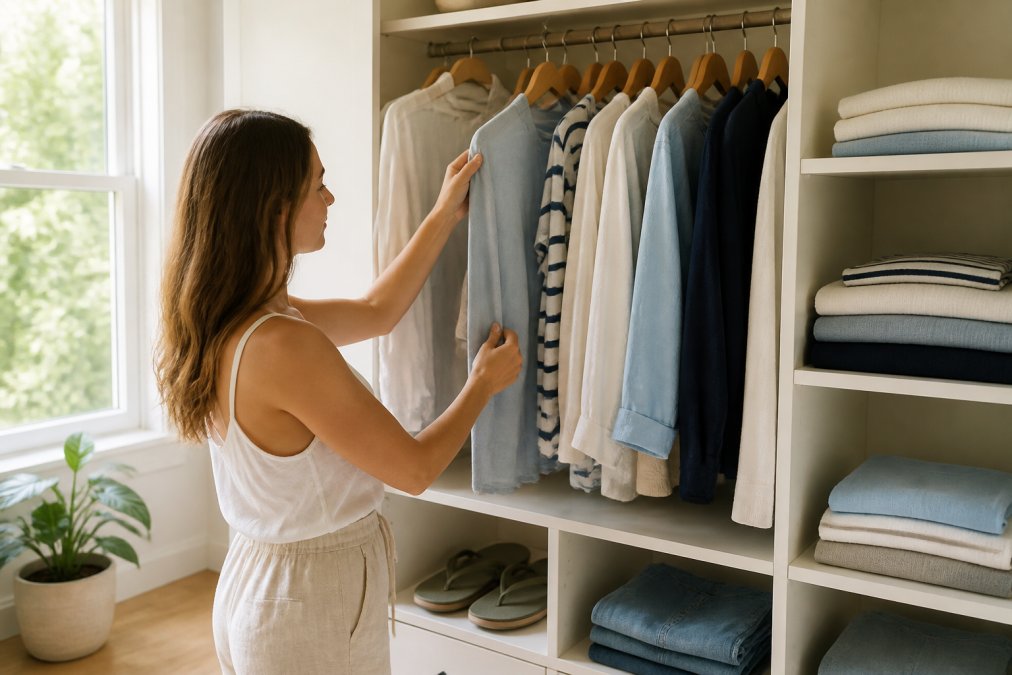
Every item should work with at least three others in your wardrobe. If it doesn't, it doesn't belong.
Steps to build your capsule wardrobe:
- Audit what you already own and assess what you actually wear.
- Identify gaps, not wants. Buy to fill genuine wardrobe gaps, not to chase micro-trends.
- Choose neutral anchors. Build around 5-7 neutral pieces that mix freely.
- Add intentional accents. A few statement pieces or handcrafted jewelry items add personality.
- Set a seasonal limit. Many capsule wardrobe practitioners work with 30-40 items total per season.
- Commit to quality over quantity. One well-made piece beats three disposable ones.
Budget-Friendly Ways to Start
Sustainable fashion does not require a complete wardrobe overhaul or a large budget:
- Second-hand first: Platforms like Poshmark and ThredUp offer secondhand clothing at accessible price points. Vinted allows sellers to keep their full earnings, often resulting in better prices.
- Repair before replace: Services like Alter Knit handle knitwear repair, and Tide Cleaners offers alterations that extend garment life.
- Buy less, buy better: Redirect the budget from three fast fashion purchases into one quality piece.
- Shop curated boutiques: Curated selections can favor quality and versatility over trend-chasing, naturally aligning with capsule wardrobe principles.
According to the Federal Trade Commission's guidance on environmental marketing claims, consumers have the right to accurate information about the environmental impact of products they buy.
End-of-Life Garment Management: What to Do When Clothes Wear Out
Most sustainability conversations focus on buying better. Far fewer address what happens when clothes genuinely reach the end of their useful life. This is where the circular economy either closes the loop or falls apart.
The options, in order of preference:
- Repair: Assess whether the item can be fixed. Alter Knit handles knitwear repair with a turnaround of 4-6 weeks. Tide Cleaners offers alterations at local storefronts.
- Donate: Items in wearable condition can go to Goodwill donation centers, which run a Salvage for Good program ensuring even unsellable textiles are diverted from landfills.
- Resell: Poshmark, ThredUp, and Vinted all accept secondhand clothing.
- Textile recycling: American Textile Recycling Service (ATRS) operates donation bins across the country, collecting clothing and items that get diverted from landfills.
- Brand take-back programs: Patagonia's Worn Wear program accepts trade-ins of used gear for store credit and offers free lifetime repairs for most products.
The worst option is the trash. Synthetic fibers in landfills persist for decades and release harmful compounds as they break down.
The barrier to sustainable fashion feels financial when it's really informational. Once you understand cost per wear, greenwashing signals, and end-of-life options, the case for buying better becomes obvious. Palms 30A invites you to discover curated clothing, handcrafted jewelry, and original art pieces designed to add warmth and style to your wardrobe and home. View all collections at Palms 30A and start building a wardrobe worth keeping.
Frequently Asked Questions
What is the difference between sustainable fashion and fast fashion?
Sustainable fashion prioritizes garment longevity, ethical manufacturing, fair wages, and eco-friendly materials like organic cotton and recycled polyester. Fast fashion relies on mass production, synthetic fibers, and rapid micro-trends to sell high volumes at low prices. The difference shows up in supply chain transparency, environmental impact, and how long a garment actually lasts. Sustainable pieces typically cost more upfront but deliver far better cost-per-wear value over time.
How can I identify if a brand is truly sustainable or just greenwashing?
Check whether the brand names specific certifications, such as GOTS for organic cotton or Fair Trade for labor standards, rather than vague claims like 'eco-friendly' or 'conscious.' Look for published supply chain transparency reports and independently verified data on water consumption, carbon footprint, and textile waste. Brands that genuinely commit to sustainable sourcing will show their work. If a brand's sustainability page is heavy on aspirational language but light on measurable facts, treat that as a red flag.
Is it possible to build a sustainable wardrobe on a budget?
Yes. Second-hand platforms make it practical to shop sustainably without spending more than fast fashion prices. Buying fewer, better pieces and applying the cost-per-wear calculation helps you spend smarter overall. Starting with a capsule wardrobe of versatile basics reduces the impulse to buy trend-driven items that lose appeal quickly. Swapping, mending, and upcycling existing clothes also extend garment life at little or no cost, making conscious consumerism accessible at almost any budget.
What are the 5 R's of sustainable fashion?
The 5 R's are Refuse, Reduce, Reuse, Repair, and Recycle. Refuse means skipping purchases driven by micro-trends you won't wear long. Reduce means buying less overall. Reuse covers second-hand shopping and clothing swaps. Repair means mending or altering garments to extend their life rather than discarding them. Recycle applies when a garment truly reaches end of life, directing it to textile recycling programs rather than landfill. Together, these practices support a circular economy approach to clothing.
What are the environmental impacts of fast fashion production?
Fast fashion production drives significant textile waste, water consumption, chemical runoff from dyeing processes, and carbon emissions from global shipping. Synthetic fibers like polyester shed microplastics into waterways during washing. Overproduction means large volumes of unsold clothing go directly to landfill or incineration. The combination of cheap materials, planned obsolescence, and rapid trend cycles makes fast fashion one of the more resource-intensive consumer industries, contributing to measurable environmental degradation across multiple categories.
What makes a fabric genuinely eco-friendly?
Genuinely eco-friendly materials are produced with lower water consumption, reduced chemical runoff, and preferably biodegradable or recycled inputs. Organic cotton is grown without synthetic pesticides. Recycled polyester repurposes plastic waste rather than creating new synthetic fibers. Linen and hemp require minimal water and few chemicals. The key question is whether the material's full production cycle, from fiber to finished fabric, reduces environmental degradation compared to conventional alternatives.
This article was written using GrandRanker