

Tips for Buying Original Art Online: A 2026 Guide
Table of Contents
- Start With a Budget and a Wall in Mind
- Know Where to Look for Original Art Online
- How to Verify Art Authenticity Before You Pay
- Questions to Ask Art Galleries and Artists
- Understand Shipping, Insurance, and Returns
- How to Frame Original Art Without Overspending
- Trust Your Eye, Not Just the Investment
- Frequently Asked Questions
Start With a Budget and a Wall in Mind
Buying original art online is an exciting way to bring warmth and personality into your home, but it requires more planning than a typical furniture purchase. Before you start scrolling through galleries and artist portfolios, set a firm budget and decide exactly where the piece will live. Knowing your wall dimensions and the room's color palette will narrow your search considerably and prevent you from falling in love with a canvas that simply won't fit the space.

At Palms 30A, we curate original art from local artists, and we always tell first-time collectors to measure twice and buy once. A common mistake is focusing entirely on the artwork itself while ignoring how it will interact with existing decor, lighting, and furniture scale. The buying process becomes far more enjoyable when you approach it as a design decision rather than an impulse purchase.
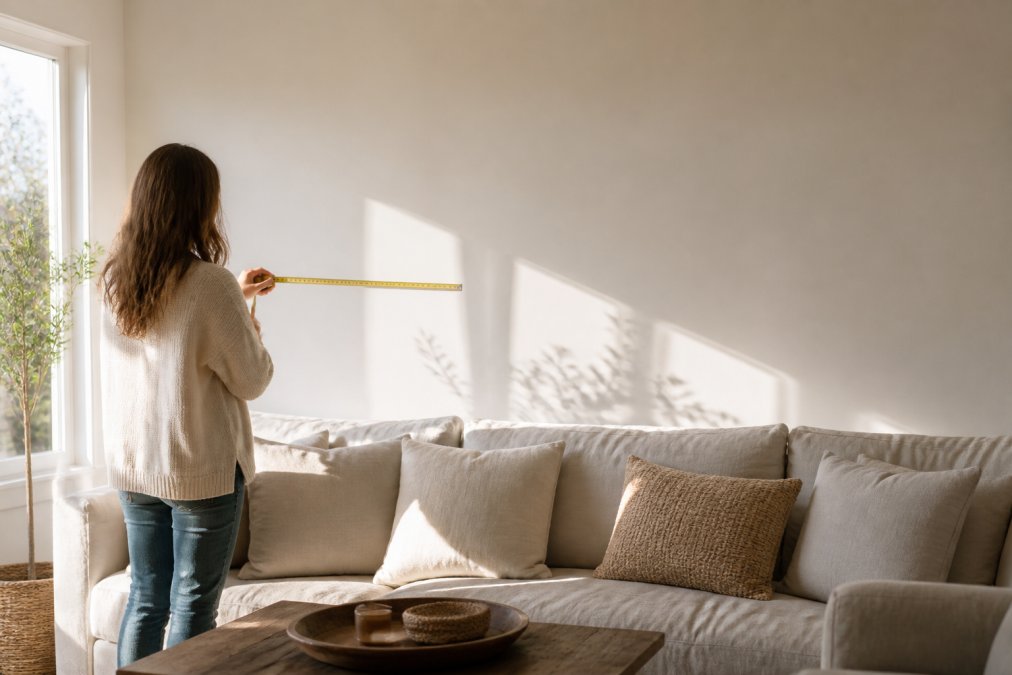
Your budget should include more than the sticker price. Account for custom framing, shipping insurance, and potential import duties if the artist ships from abroad. A realistic total budget keeps the experience stress-free.
Know Where to Look for Original Art Online
The internet has opened up incredible access to original artwork, but not all platforms offer the same level of quality or buyer protection. Your best options fall into three categories: direct from artist websites, curated online galleries, and boutique lifestyle shops that feature regional talent. Each path has distinct advantages depending on your comfort level and what you are seeking.
Direct artist sites offer the closest connection to the creator and often the most competitive pricing. Curated galleries provide a layer of vetting and typically handle authentication more rigorously. Boutique retailers like Palms 30A bridge the gap by offering a hand-picked selection of original art pieces that have already been evaluated for quality and aesthetic appeal. For those building a coastal-inspired collection, exploring emerging artists featured by the American Art Collectors Association can reveal fresh talent before they gain wider recognition.
How to Verify Art Authenticity Before You Pay
Authenticity verification is the single most important step when buying original art online. A genuine piece should always come with a certificate of authenticity, a clear provenance history, and documentation of the artist's signature. Without these elements, you are taking on significant risk.
When evaluating a listing, look for these markers of legitimacy:
- A certificate of authenticity signed by the artist or gallery
- Provenance documentation tracing previous ownership
- High-resolution images showing the artist's signature and canvas texture
- A digital invoice that describes the work in detail
Established galleries and artists should be happy to provide a studio visit via video call so you can see the piece in real time. Ask about the medium, whether it is a one-of-a-kind work or a limited edition, and request close-ups of the surface. The Federal Trade Commission guidance on art purchases advises buyers to get all promises in writing before completing a transaction. If a seller hesitates to provide documentation, consider that a red flag and move on.
Questions to Ask Art Galleries and Artists
Knowing what to ask separates confident collectors from hesitant shoppers. When you find an original piece you love, a few targeted questions will reveal whether it is worth the investment. Do not be shy; serious sellers expect and welcome these inquiries.
Start with the essentials: Is the artwork a one-of-a-kind original or a limited edition? What is the exact medium and is it archival quality? Can you provide the provenance and a certificate of authenticity? Then move to logistics: How is the piece packaged for shipping? Is it insured during transit? What is your return policy if the work arrives damaged or differs from the listing?
Artists and galleries appreciate buyers who understand the craft. Asking about their creative process, the story behind the piece, and whether they have gallery representation shows you are a serious collector. This dialogue also helps you gauge the seller's credibility. For emerging artists, a guide from the U.S. Copyright Office on artist rights explains the protections you receive as a buyer of a physical work.
Understand Shipping, Insurance, and Returns
Shipping logistics are where online art purchases most often go wrong. Original artwork is fragile, and standard courier services are not equipped to handle it safely. Reputable sellers use specialized art shippers who understand crating, climate control, and white-glove delivery.
Before you pay, clarify who handles insurance during transit. If a piece arrives damaged, you need to know whether the seller or the shipping company is responsible. Ask for the exact carrier, delivery timeframe, and whether a signature is required. Many original art pieces, especially larger canvases, require freight shipping rather than standard parcel delivery, which adds cost and lead time.
Return policies for original art differ from typical online retail. Many galleries accept returns within a limited window if the piece arrives damaged, but they may not accept returns simply because the artwork does not match your decor once it is on the wall. Read the policy carefully before purchasing. For large or heavy pieces, confirm whether the seller provides a shipping quote before checkout, as free shipping rarely applies to original art.
How to Frame Original Art Without Overspending
Framing costs can rival the price of the artwork itself, especially for larger pieces. Many first-time buyers overlook this expense until the piece arrives, then face a surprise bill at the local frame shop. Planning your framing budget in advance keeps the total cost manageable. avoiding fake products.
The single biggest cost driver is the mat and glazing, not the frame moulding. A standard custom frame for a 24 x 36-inch work on paper can easily run $250 to $450 at a big-box retailer like Michaels or Hobby Lobby. The same job at a professional frame shop in a metropolitan area might be $600 or more. The difference comes down to materials: conservation-grade mat board costs $8 to $15 per sheet versus $3 for a non-archival board, and UV-protective glass adds $50 to $150 over standard glass depending on the size.
For canvas pieces, you can often skip a traditional frame entirely. Gallery-wrapped canvases look polished hanging directly on the wall, and this approach saves significant money. If the canvas has painted edges, this is the most cost-effective presentation. For works on paper, archival matting and UV-protective glass are worth the investment to prevent fading and yellowing over time.
A hybrid approach is the smartest way to save. Purchase a ready-made frame in a standard size, 18 x 24, 24 x 36, or 30 x 40 inches are common, from a retailer like Target, West Elm, or an online frame supplier. Then have a local frame shop cut a custom archival mat to fit. This typically costs $40 to $80 for the mat and labor, versus $200 or more for a fully custom frame job. The result looks professional at a fraction of the cost.
Ask your framer about 'conservation-grade' versus 'museum-grade' materials. Conservation-grade materials protect the artwork from acid migration and UV damage without the premium price tag of museum-level framing. Museum-grade adds optical clarity and is often used for high-value works, but for most original art under $2,000, conservation-grade is sufficient.
Do not forget the hardware. Hanging a heavy canvas or a framed piece over 20 pounds requires a wall anchor rated for at least twice the weight. A simple picture hook rated for 50 pounds costs $5 at a hardware store, but a French cleat system for a heavy piece costs $15 to $30 and is far more secure. If you are hanging over a fireplace or in a room with direct sunlight, ask your framer about UV-protective acrylic instead of glass, it is lighter, safer for shipping, and blocks 99% of UV rays, though it scratches more easily.
Trust Your Eye, Not Just the Investment
The best original art purchases are driven by genuine connection, not market speculation. While art can appreciate in value, it should first and foremost bring you joy every time you walk past it. Develop your personal taste by viewing lots of art, saving images that resonate with you, and noticing which styles, colors, and subjects you return to repeatedly.
When you find a piece that feels right, act with confidence. The art market moves quickly for desirable works, and hesitation can cost you a piece you will regret losing. Consider how the artwork will look in your space at different times of day and in different seasons. A piece that works with your coastal decor and reflects your lifestyle will never feel like a mistake, regardless of its future resale value.
Original art transforms a house into a home in ways that mass-produced decor cannot match. Each piece carries the energy of its creator and adds a layer of depth to your personal space. For those seeking original coastal art with a relaxed, elegant aesthetic, the curated original art collection at Palms 30A features works from local artists that capture the spirit of the Gulf Coast.

Original art pieces like oyster shell compositions and coastal abstracts make thoughtful focal points for living rooms, entryways, and bedrooms. When you buy buying original art from a trusted source that provides authenticity documentation and clear shipping terms, you protect both your investment and your peace of mind.
Collecting original art online should feel exciting, not risky. The process becomes straightforward when you set a realistic budget, verify authenticity, ask the right questions, and plan for framing and shipping logistics. Palms 30A makes this journey simple with a curated collection of original art pieces from local 30A artists, each accompanied by clear details on sizing and shipping arrangements. Browse the collection and find a piece that adds lasting warmth and coastal character to your home. View all original art pieces and discover the perfect addition to your space.
Frequently Asked Questions
What should I look for when buying original art online?
Look beyond the image. Check the materials and medium, the exact dimensions, and whether the artist signed the piece. Verify the certificate of authenticity and read the return policy carefully. A reputable seller will provide detailed photos, including close-ups of the surface texture, and be transparent about condition. Confirm shipping costs, insurance, and delivery timelines before you commit, so there are no surprises.
How do I verify the authenticity of art purchased online?
A legitimate certificate of authenticity is the first step. It should name the artist, describe the medium, and be signed by the artist or the gallery. Cross-check the artist's signature and ask for a photo of the back of the artwork. For established artists, you can also contact their gallery representative to confirm the provenance. Reputable sellers are happy to provide this information.
What questions should I ask an art gallery before buying?
Ask about the artwork's condition and whether there are any flaws. Request details on the frame and hanging hardware. Confirm the shipping method, insurance coverage, and who handles any damage claims. Also ask about their return policy and whether they offer a certificate of authenticity. Inquire about the artist's background and the story behind the piece to ensure it connects with you.
Is it safe to buy original art from a small online boutique?
Yes, buying from a small boutique can be a great way to find unique pieces. The key is to do your research. Look for clear photos, detailed descriptions, and a stated return policy. Check if the boutique provides a certificate of authenticity and contact information for questions. A curated shop often has a direct relationship with the artist, which can simplify the process of verifying a piece's origin.
This article was written using GrandRanker