

Wine Glasses: Choosing the Right Style for Every Pour
Table of Contents
- Understanding Wine Glasses and Their Purpose
- Types of Wine Glasses Explained
- Stemmed vs. Stemless: Finding Your Preference
- Crystal and Glass Composition: What Makes the Difference
- Wine Glass Care and Storage
- Choosing Wine Glasses for Entertaining and Daily Use
- Curated Wine Glass Collections for Every Occasion
- Frequently Asked Questions
Last Updated: September 25, 2026
Understanding Wine Glasses and Their Purpose
Wine glasses aren't just containers, shape, size, and material directly influence how you experience wine. Selecting the right wine glasses transforms everyday moments into something special.
Bowl shape concentrates aromas, rim thickness affects palate contact, and stems keep your hand's warmth away from the wine. A universal glass works for most wines, but varietal-specific glasses optimize each pour.
Types of Wine Glasses Explained
Red Wine Glasses
Red wine glasses have larger bowls than white wine glasses, allowing more aeration. This helps red wines open up and release their full flavor profile, including tannins and complex notes.
Bordeaux glasses are taller and narrower for high-tannin wines, directing wine toward the back of your mouth where tannins are less pronounced. Burgundy glasses have rounder, wider bowls that bring out the delicate aroma profile of lighter reds like Pinot Noir.
Red wine glasses range from 12 to 22 ounces, giving you room to swirl and observe color and clarity. Look for a bowl that narrows slightly at the rim to focus aromas upward.
White Wine Glasses
White wine glasses have smaller bowls that slow oxidation and preserve crisp acidity. A narrower bowl concentrates aromas, making them easier to detect.
White wine glasses typically hold 8 to 12 ounces, keeping wine at proper serving temperature longer. The bowl tapers toward the rim, guiding aromas to your nose.
Stemmed white wine glasses let you hold by the stem without warming chilled wine, and provide visual elegance.
Sparkling Wine Glasses and Coupes
Flute glasses are tall and narrow, preserving bubbles by minimizing surface area. As bubbles rise, you see the effervescence, part of champagne and prosecco's appeal.
Coupe glasses have a wider bowl and shorter stem, holding about 7 ounces. They work well for champagne, cocktails, and sparkling beverages.
Flutes preserve carbonation longer; coupes are easier to hold and more relaxed. Choose based on your preference.
Stemmed vs. Stemless: Finding Your Preference
Stemmed wine glasses keep your hand away from the bowl, preventing body heat from warming the wine, while adding height and elegance.
Stemless wine glasses are casual, easier to hold, take up less space, and resist tipping. The trade-off is slight hand-warming of the wine.

Stemless glasses suit everyday use and casual entertaining; stemmed glasses are better for formal dinners and precise temperature control.
Choose based on lifestyle: stemless for families with children or casual use; stemmed for temperature control and formal occasions.
Crystal and Glass Composition: What Makes the Difference
Wine glasses are made from glass or crystal. Standard soda lime glass is affordable, durable, and dishwasher safe. Lead-free crystal offers better clarity and refraction but requires more care.
Hand-blown glasses offer unique aesthetics; machine-made glasses are consistent and affordable for larger sets.
For everyday use, choose durable soda lime glass. For special occasions or gifts, crystal brings an elevated feel.
Wine Glass Care and Storage
Hand washing is gentler than dishwashing. Use warm water and light soap, avoiding abrasive scrubbers.
Dry immediately with a lint-free cloth to prevent water spots. For stemmed glasses, hold the bowl gently while drying the stem.
Storage and Organization Solutions
Store wine glasses upright in a cabinet when possible. Consider these practical solutions for limited space:
Cabinet Organization: Store glasses upright with a non-slip mat. If stacking, place soft cloth between glasses. Ensure stems have clearance and avoid heat sources.
Hanging Racks: Wall-mounted racks save space and display your collection. Ensure secure anchoring and adequate spacing to prevent clinking.
Protective Storage: Use sleeves or boxes for crystal or hand-blown glasses stored in attics, basements, or areas with temperature fluctuations.
Store glasses in a cool, dry cabinet (60-70°F), away from heat sources and damp environments. Avoid direct sunlight on colored glasses.
Sustainability in Glass Production and Care
Standard soda lime glass is recyclable and can be reused indefinitely. Look for glasses made with 30-50% recycled glass content to reduce energy consumption and emissions.
Choosing durable, high-quality glasses that last decades reduces waste. Hand-washing also conserves water and energy.
When glasses do break, they can be recycled through standard glass recycling programs in most areas. Check with your local waste management authority for proper disposal methods.
Choosing Wine Glasses for Entertaining and Daily Use
Your choice of wine glasses depends on how you actually use them and what beverages you serve. If you entertain frequently, invest in a versatile set that works for multiple wine types and beyond. A universal wine glass with a medium-sized bowl (around 14-16 ounces) accommodates red, white, and sparkling wines reasonably well, but modern entertaining often calls for glassware that does double duty.
The Science of Shape and Flavor Perception
Understanding how glass shape affects what you taste is key to choosing the right glasses. The bowl shape, rim diameter, and rim thickness work together to influence flavor perception in measurable ways:
Bowl Shape and Aeration: A wider bowl exposes more wine surface to air, accelerating oxidation and allowing volatile compounds to escape. This benefits bold red wines with high tannin content, which soften and open up with aeration. A narrower bowl minimizes oxidation, preserving the crisp acidity of white wines. The angle of the bowl's sides also matters, inward-sloping sides concentrate aromas toward the nose, while outward-sloping sides allow aromas to disperse.
Rim Thickness and Palate Contact: The rim is where wine first touches your mouth, and rim thickness directly affects how wine flows onto your palate. A thin rim (under 1mm) allows wine to flow smoothly and evenly across your tongue, enhancing subtle flavors. A thicker rim can create a slight "dam" effect, directing wine toward specific taste receptors. Premium glasses typically feature thin rims, while budget glasses often have thicker rims for durability.
Rim Diameter and Aroma Concentration: A narrower rim opening concentrates aromas upward toward your nose as you drink. This is why burgundy glasses (with smaller rim diameters) emphasize the delicate aromatics of lighter red wines, while bordeaux glasses (with larger rim diameters) allow bolder aromas to disperse. The distance between the rim and your nose also affects aroma perception, taller glasses naturally position aromas closer to your olfactory receptors.
Cross-Utility: Wine Glasses Beyond Wine
Modern entertaining trends show that wine glasses serve far more than wine.
Cocktails and Mixed Drinks: A universal wine glass with a medium bowl works well for wine-based cocktails like sangria, spritzers, or wine-forward aperitifs. The bowl's shape allows room for ice and garnishes while concentrating aromas. Coupe glasses (7-8 ounces) are experiencing a major resurgence for craft cocktails, martinis, and champagne cocktails, far beyond their original purpose.
Practical Selection Criteria
For daily use, prioritize durability and ease of care. Dishwasher-safe glasses save time and effort, check manufacturer specifications, as some hand-blown or crystal pieces require hand washing. A set of 4 to 6 glasses in one versatile style is practical for most households. You can always add specialized glasses later if your wine interests expand.
Curated Wine Glass Collections for Every Occasion
Palms 30A offers wine glass collections designed for different styles and occasions. The 14.2oz Porto Wine glass from Core Home delivers elegance and durability in a single piece. Made of soda lime glass, this wine glass works for both red and white wines, making it a practical universal choice at $22.00.

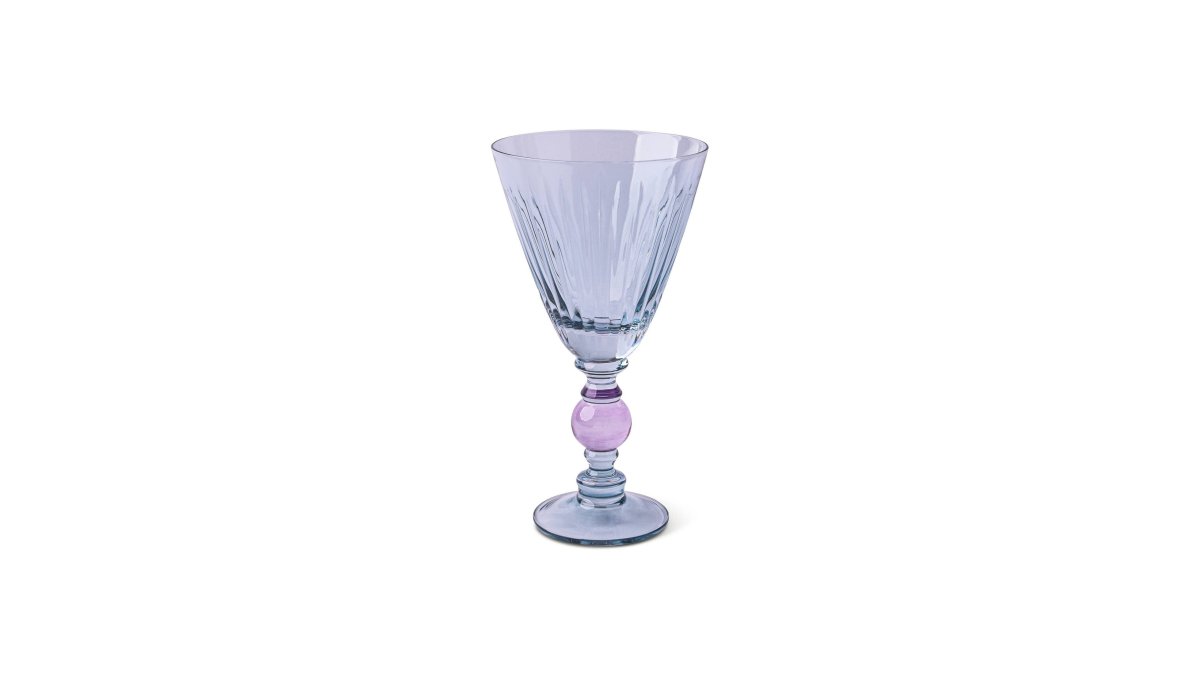
| Wine Glass Style | Capacity | Best For | Price |
|---|---|---|---|
| Porto Wine (stemmed) | 14.2 oz | Red or white wine | $22.00 |
| Spot Stemless (purple) | 12 oz | Casual everyday use | $22.00 |
| Santorini Set (stemmed, 5-piece) | 20 oz | Any wine, entertaining | $89.00 |
| Hawaii Beaches Set (stemmed, 5-piece) | 20 oz | Red or white wine | $89.00 |
| German Design (stemless, 6-piece) | 13.5 oz | Everyday elegance | $64.00 |
| Italian Acrylic (stemless, 6-piece) | Varies | Outdoor use | $59.00 |
| Ribbed Colored Set (6-piece) | 19 oz | Red or white wine | $79.00 |
| Flower Wave Coupe (2-piece) | 7 oz | Champagne, cocktails | $39.00 |
| Art Deco Coupe (5-piece) | 7 oz | Sparkling beverages | $64.95 |
Frequently Asked Questions
Do you really need different wine glasses for different types of wine?
The shape of a wine glass affects how wine reaches your palate and how aromas develop. Red wine glasses have larger bowls to allow aeration and release tannins, while white wine glasses are narrower to preserve acidity and delicate aromas. Sparkling wine flutes keep bubbles intact. That said, a universal glass works well for casual drinking. The difference matters most when you're tasting wine seriously, but for entertaining and everyday enjoyment, one quality glass can serve multiple purposes.
What's the difference between stemmed and stemless wine glasses?
Stemmed wine glasses keep your hand away from the bowl, preventing your body heat from warming the wine and keeping fingerprints off the glass. Stemless glasses are more stable, modern-looking, and easier to store. They're practical for outdoor entertaining and casual settings. Choose stemmed for formal occasions and when temperature control matters; choose stemless for everyday use, stability, and contemporary style. Both work equally well for enjoying wine, it's about personal preference and your entertaining style.
How should I clean and store wine glasses to keep them looking new?
Wash wine glasses with warm water and light soap before first use. Most quality glasses are dishwasher-safe on gentle cycles, but hand-washing extends their life. Avoid abrasives and don't microwave. For storage, place glasses upright in a cabinet to prevent dust settling inside the bowl. If hanging from a rack, ensure stems are secure. Store in a cool, dry place away from direct sunlight. For special collections like the Santorini or Hawaii sets, consider displaying them as decorative pieces, their vibrant colors make them as beautiful on display as they are in use.
What makes a quality wine glass worth the investment?
Quality wine glasses are crafted from materials like soda lime glass or lead-free crystal that provide clarity and durability. They feature proper bowl shape for the wine type, balanced weight distribution, and rim thickness that feels comfortable. Durable construction means glasses resist clouding and chipping over years of use. Hand-blown or precision-made glasses offer better clarity and refraction than cheaper alternatives, enhancing both the visual appeal and tasting experience. Investing in quality stemware means your entertaining looks polished and your glasses last through countless celebrations.
Selecting wine glasses that match your lifestyle and entertaining style makes every pour feel intentional. Whether you choose stemmed or stemless, crystal or glass, the right wine glasses enhance both the wine and the moment. Palms 30A's curated collections offer options for every preference, from casual everyday use to elegant entertaining. View all wine glass options and find the perfect set for your home.