

Game Night Ideas: Plan the Perfect Gathering
Table of Contents
- Best Board Games for Groups
- Card Games and Party Games for Social Gatherings
- How to Host a Game Night Everyone Will Remember
- Game Night Snack Ideas and Drink Pairings
- Tournament-Style Game Nights
- Accessibility and Inclusive Game Night Ideas
- Virtual and Hybrid Game Night Setups
- Conclusion
Last Updated: August 27, 2026
Best Board Games for Groups
The foundation of a great game night starts with choosing the right board games for your group size and dynamic. Board games designed for groups create natural opportunities for interaction, laughter, and friendly competition that bring people together in ways digital entertainment simply cannot match.
When selecting board games for social gatherings, consider player count first. Games that work well for four people may feel sluggish with eight, while others shine only in larger groups. The best board games for groups balance accessibility with enough strategic depth to keep experienced players engaged.
Classic strategy games like Catan remain reliable choices because they create natural negotiation and trading moments. Players aren't just making individual moves; they're constantly interacting with one another. For competitive groups, consider games with variable player powers or asymmetric gameplay to ensure no single strategy dominates every round.
Setup time matters more than most people realize. Look for games where rules can be taught in under five minutes, allowing more time for actual gameplay and conversation (peer-reviewed research).
Palms 30A offers thoughtfully curated game night essentials that elevate the entire experience beyond just gameplay. The Acrylic Rummikub Set in Tortoise transforms a classic tile game into something visually striking with its clear acrylic trays and tortoise-patterned lid, adding elegance to your game night setup while keeping tiles organized and secure.

Card Games and Party Games for Social Gatherings
Card games occupy a unique space in game night planning because they require minimal table space, travel easily, and accommodate flexible player counts. A well-chosen card game can transform any gathering into an interactive experience where everyone stays engaged.
Classic Card Games That Build Competition
Traditional card games like poker, bridge, and rummy have endured for generations because their mechanics naturally create competitive tension and memorable moments. Rummy variants work particularly well for groups because the gameplay rhythm keeps everyone watching and planning their next move.
The 30A Playing Cards bring style to traditional card gameplay with their vibrant pink and green designs housed in a chic pink-themed box. These beautifully designed cards make every hand feel special and add a visual element that transforms a casual card game into a memorable experience.

Setup for classic card games is straightforward, shuffle, deal, and you're playing within seconds. The learning curve remains gentle even for first-time players, which makes these games perfect for mixed-experience groups.
Deception Games for Larger Groups
Deception games thrive in larger gatherings because they create dynamic social interaction and unpredictable outcomes. Games like Mafia, Werewolf, and Coup succeed by putting players in roles where information is hidden and trust becomes currency.
These party games excel at breaking down social barriers and shifting social dynamics in refreshing ways. Deception mechanics work best with groups of eight or more, where hidden information becomes genuinely valuable (apa.org). The sweet spot is usually 10-15 players, where discussion becomes lively without descending into chaos.
The beauty of deception games lies in their replayability. No two rounds feel identical, which explains why these games often become the centerpiece of memorable game nights.
How to Host a Game Night Everyone Will Remember
Hosting a successful game night requires attention to logistics, atmosphere, and pacing. The difference between a forgettable evening and one people talk about for weeks comes down to thoughtful planning and creating an environment where people want to stay engaged.
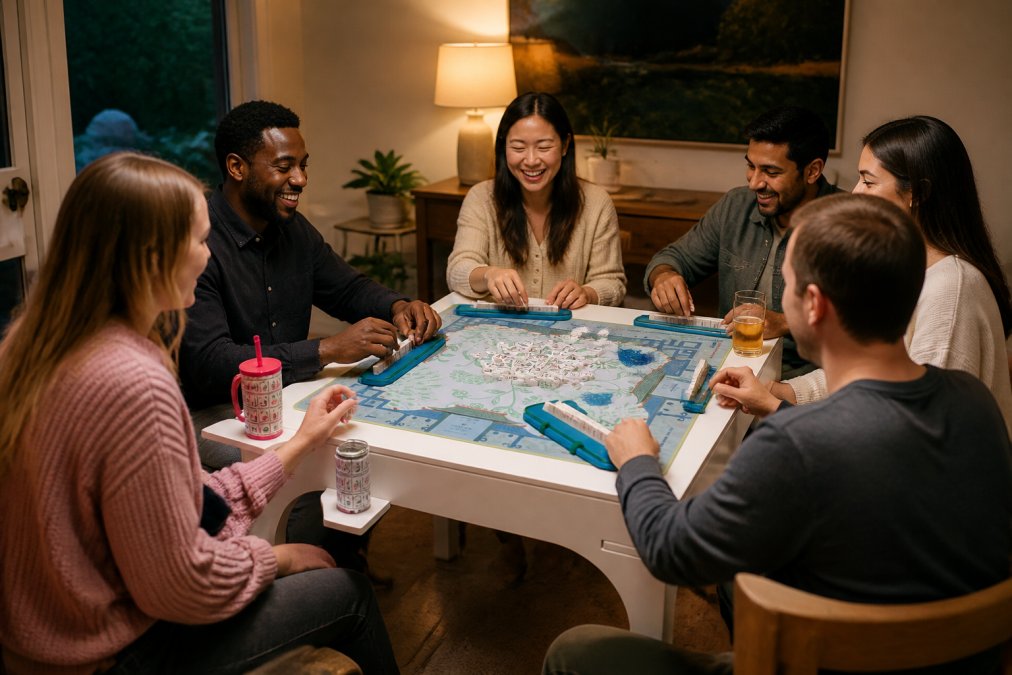
Quick Setup and Timing
Choose games you can have ready to go within five minutes of your guests walking through the door. A typical game night should run three to four hours, which allows for two to three different games plus breaks for conversation and refreshments (apa.org).
Rotate game selection to match the evening's natural rhythm. Start with something quick and accessible that gets everyone laughing immediately. Move to something with slightly more strategy mid-evening when focus is highest. End with a lighter game that doesn't require intense concentration, allowing the evening to wind down naturally.
Consider player elimination carefully. Games where players are knocked out early create frustration and boredom. When you must choose elimination games, have a backup activity ready for eliminated players.
Creating the Right Party Atmosphere
Dim the overhead lights and use softer ambient lighting to create an intimate atmosphere that encourages conversation and laughter. Background music should be present but not intrusive, choose instrumental or ambient music at a volume that doesn't require people to raise their voices.
Ensure comfortable seating arranged so everyone can see the game board and each other's faces. A round or rectangular table works better than a long narrow one because it facilitates conversation across the group. Ensure adequate ventilation and keep the room slightly cool to maintain energy throughout the evening. date night routines.
Game Night Snack Ideas and Drink Pairings
Food and beverages form the backbone of a memorable game night. Well-chosen snacks keep energy stable throughout the evening while creating natural breaks in gameplay where conversation flourishes.
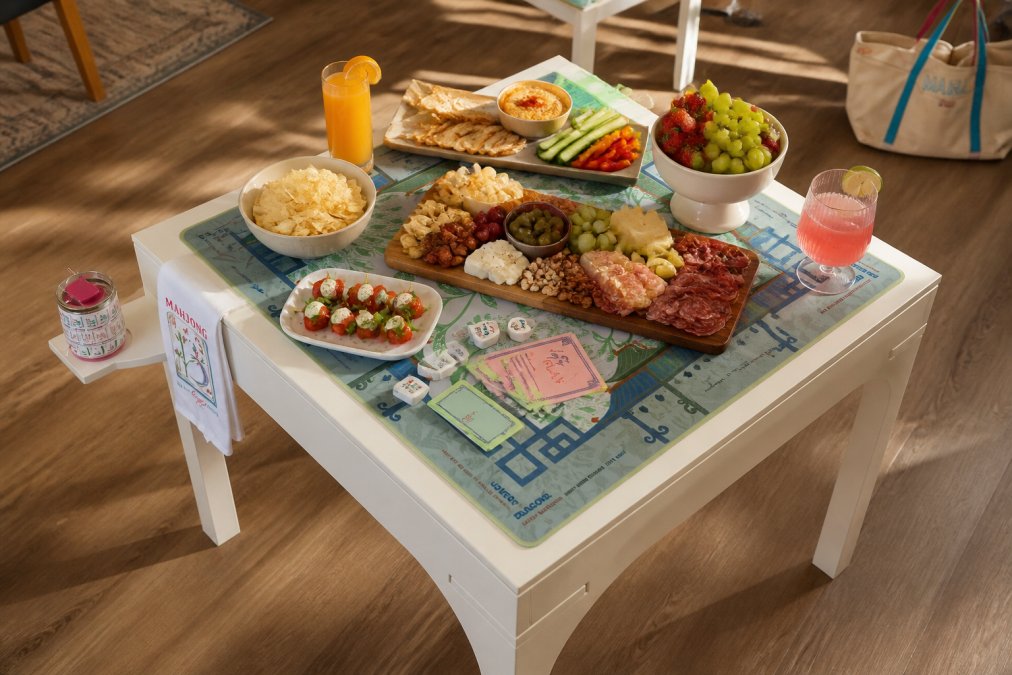
Finger foods reign supreme for game nights because they require one hand, allowing players to eat without abandoning their game pieces or cards. Avoid anything greasy, sticky, or likely to stain cards and game components.
Popcorn, pretzels, and nuts provide satisfying crunch without creating mess. Mixed nuts offer sustained energy better than simple carbohydrates alone. Cheese and charcuterie boards work beautifully because they offer variety and feel celebratory without requiring much preparation. Vegetable trays with dips provide lighter options that balance heavier snacks.
Beverages should include both alcoholic and non-alcoholic options. Water should always be available because people often forget to hydrate during engaging games. For alcoholic beverages, light beers and wines pair well with game nights because they allow people to enjoy a drink without becoming too intoxicated to play well.
Avoid serving anything that requires utensils or creates crumbs. Your guests will spend the evening with their hands on game pieces, cards, or dice.
Tournament-Style Game Nights
Tournament formats transform casual game nights into competitive events where stakes feel elevated and engagement peaks. Round-robin tournaments work best for groups of six to twelve people, ensuring everyone plays multiple games and no one gets eliminated early.
Bracket-style tournaments work well for games where head-to-head competition matters most. Keep tournament rules simple and communicated clearly before play begins. Assign score keepers separate from players to track results and maintain standings.
The Large Mahjong Score Pad serves this purpose beautifully for mahjong tournaments, with ample space for tracking multiple rounds and players while adding an elegant touch to your tournament setup.
Offer small prizes or recognition for tournament winners. These don't need to be expensive; simple bragging rights or a small trophy create investment in the competition.
Accessibility and Inclusive Game Night Ideas
Creating an accessible game night ensures everyone can participate fully regardless of physical ability, sensory capacity, or cognitive style. Games with large, easy-to-read text and high-contrast colors work better for people with vision difficulties.
Provide comfortable seating options including chairs with armrests for people who need support. Games with optional complexity allow players to engage at their preferred difficulty level. Avoid games with strict time pressure that excludes people who process information more slowly.
Ensure clear verbal communication of rules and game state. Players with visual impairments need to hear what's happening on the board. Provide written or visual cues alongside any verbal communication so everyone receives information simultaneously.
The Mini Mahjer Complete Set in Bubbles & Bows exemplifies accessible game design with its lightweight tiles and multiple difficulty levels. Designed with families in mind, this first-ever American Mahjong board game offers beginner, intermediate, and advanced options so players of different experience levels can enjoy the game together.
Virtual and Hybrid Game Night Setups
Remote and hybrid game nights have become increasingly viable with improved video conferencing technology. These formats expand your potential guest list beyond geographic limitations while accommodating people unable to attend in person.
Video conferencing platforms like Zoom or Google Meet provide the foundation for virtual game nights. Ensure everyone has adequate lighting and choose a platform where screen sharing works reliably.
Physical games adapt to virtual play through screen sharing. One person holds the game board toward their camera while other players call out moves. Digital versions of classic games eliminate setup entirely and work perfectly for virtual game nights.
Hybrid formats where some people play in person while others join remotely require careful setup. Use a camera positioned so remote players can see the game board clearly and designate someone to narrate game developments for remote participants.
The 30A Playing Cards work beautifully in hybrid setups because their vibrant pink and green designs photograph well on camera, making them easy for remote participants to see clearly.
Game nights thrive on thoughtful planning, the right game selections, and an atmosphere where people feel comfortable being themselves. Whether you're hosting an intimate gathering of close friends or a tournament-style competition, the principles remain consistent: prioritize player interaction, manage pacing carefully, and create an environment where people want to stay engaged.
At Palms 30A, we understand that game nights are about more than just playing games. They're about creating memories with people you care about. Our curated selection of beautifully designed games and accessories transforms ordinary evenings into celebrations worth remembering. From our elegant Custom Mahjong Table with customizable high-gloss finishes and retractable cup holders to our stylish Acrylic Rummikub Set, every piece adds warmth and sophistication to your game night experience. View all our game night essentials and discover how thoughtfully chosen accessories elevate your gatherings from casual to unforgettable.

Frequently Asked Questions
What are some fun game night ideas for large groups?
Large groups thrive with games that accommodate many players and don't require complex rules. Party games like charades, trivia, and deception games work well for 8+ people. Tournament-style setups let groups rotate through competitive matches. Team-based games create natural divisions and keep everyone engaged. The key is choosing games with quick rounds so players waiting for their turn stay entertained. Consider rotating between different game types to maintain energy throughout the evening.
How do you host a successful game night?
Successful hosting starts with preparation: choose games matched to your player count and skill levels, arrange seating so everyone can see the board, and set up snacks and drinks within arm's reach. Start with an icebreaker game to warm up the group, then move to your main games. Keep the party atmosphere light by explaining rules clearly and allowing time for friendly banter. Set a reasonable end time so guests know what to expect. Most importantly, prioritize engagement and fun over competition.
What snacks are best for a game night?
Finger foods and appetizers work best since they don't require utensils or leave greasy residue on game pieces. Popcorn, nuts, cheese and crackers, vegetable platters, and bite-sized desserts are ideal. Avoid sticky or heavily seasoned foods that can damage cards or tiles. Pair snacks with beverages like sparkling water, juice, or wine depending on your guest list. Set snacks on a separate table away from the gaming area to minimize mess. Having variety ensures there's something for different dietary preferences and keeps the social gathering feeling special.
What are the best board games for a social game night?
Social board games combine strategy with interactive gameplay that encourages conversation and friendly competition. Mahjong offers both strategy and accessibility for family-friendly game nights. Mexican Train dominoes work well for mixed-skill groups. Rummikub creates engaging tile-laying challenges. Trivia games like 80s Pop Culture Trivia spark conversation and nostalgia. Cooperative games where players work together rather than compete create a different but equally entertaining dynamic. Choose based on your group's preference for competitive versus cooperative play and the time available for each round.
This article was written using GrandRanker