

How to Shop for Unique Home Decor: A 2026 Guide
Table of Contents
- Understand What Makes Home Decor Unique
- Where to Find Authentic Handcrafted and Artisan Pieces
- Tips for Sourcing Vintage Home Decor
- How to Identify Quality Craftsmanship and Authenticity
- Best Ways to Display Original Art in Your Home
- How to Style Eclectic Home Decor Effectively
- Budget-Conscious Sourcing Strategies for Unique Pieces
- Conclusion
Last Updated: August 22, 2026
Understand What Makes Home Decor Unique
Unique home decor is about sourcing pieces that reflect your personal aesthetic rather than mass-produced items found in every home. These are items with character, craftsmanship, and often a story behind them. The difference between unique and ordinary comes down to intentionality: curated selections made with purpose, not convenience.
What separates truly distinctive decor from trend-chasing is authenticity. A handcrafted ceramic vessel carries the maker's fingerprints. Vintage finds bear the patina of time. Original art pieces exist nowhere else. These elements create visual interest that generic furnishings simply cannot match.

The real appeal of shopping for unique home decor is that it transforms a space from looking like a showroom into reflecting who you actually are. When you select items intentionally, whether they're artisan-made, one-of-a-kind, or sourced from independent makers, your home becomes a narrative of your taste rather than a catalog spread.
Where to Find Authentic Handcrafted and Artisan Pieces
Finding genuine artisan-made items requires knowing where to look. Online marketplaces dedicated to handcrafted goods connect you directly with makers, eliminating the middleman markup. Platforms like Etsy, Faire, and specialized boutiques curate collections of small-batch producers who create everything from ceramics to textile art.
Local artisan communities often host markets and pop-up shops where you can meet makers in person. This direct relationship matters, you understand the craftsmanship, ask questions about materials, and support independent creators. Many artisans offer custom work, meaning you can commission pieces tailored to your exact specifications.
Boutique retailers like Palms 30A specialize in curated collections of handcrafted jewelry, original art pieces, and home accessories designed to add warmth and style to your space. These retailers do the sourcing work for you, selecting pieces that meet quality standards and aesthetic cohesion. At Palms 30A, every handcrafted item is chosen to enhance daily life with little luxuries, from ceramic vessels to decorative accents that transform a room.
Direct-to-maker websites are another goldmine. Many artisans sell exclusively through their own sites, giving you access to their full catalog and often faster shipping than third-party platforms. Search for ceramicists, textile artists, or jewelry makers whose work aligns with your vision.
Tips for Sourcing Vintage Home Decor
Vintage sourcing requires patience, but the hunt is part of the appeal. Thrifting at local shops, estate sales, and antique markets yields one-of-a-kind pieces at fraction-of-retail prices. The key is visiting frequently, inventory changes constantly, and the best finds disappear quickly.
Online vintage marketplaces like Chairish, Ruby Lane, and 1stDibs connect you with dealers and collectors. These platforms verify authenticity and condition, reducing risk. Filter by era, style, or material to narrow your search. Prices vary widely, so set a budget and stick to it.
Estate sales and auctions offer access to entire collections at once. Preview listings online, attend in person if possible, and bid strategically. Many pieces from the 1950s through 1990s are experiencing renewed interest, making mid-century modern and retro items particularly valuable right now (peer-reviewed research).
Local Facebook marketplace and Craigslist groups often have gems posted by people clearing homes. These direct sales skip reseller markups, though you'll need to inspect items carefully before purchase. Always ask about condition, measurements, and whether items are original or refinished.
A common mistake is assuming all vintage means quality. Inspect for structural integrity, original finishes, and signs of heavy use. Vintage charm includes patina, but not damage. Ask sellers about provenance, knowing an item's history adds to its appeal and authenticity.
How to Identify Quality Craftsmanship and Authenticity
Quality craftsmanship reveals itself through details. Run your hands over surfaces, handmade pieces show slight irregularities that prove human creation, not machine production. Seams should be tight, joints secure, and finishes smooth without drips or bubbles.
For ceramics and pottery, check the bottom. Handthrown pieces show the maker's mark or signature. Look at the glaze, it should be evenly applied without bare spots. Weight matters too; quality ceramics feel substantial, not hollow.
With textiles, examine weaving density and thread quality. Handwoven fabrics have visible variation in pattern; machine-made items are perfectly uniform (peer-reviewed research). Check for loose threads, unraveling seams, or dye inconsistencies that suggest poor quality control.
Authenticity verification matters, especially for art and collectibles. Ask for documentation, artist statements, or certificates of authenticity. Legitimate makers provide this information willingly. If a seller becomes evasive about origins or refuses to answer questions, walk away.
Price often signals quality. Significantly underpriced items warrant skepticism. Artisan work, original art, and genuine vintage pieces carry real costs, materials, labor, expertise. If something seems too cheap, investigate why before purchasing.
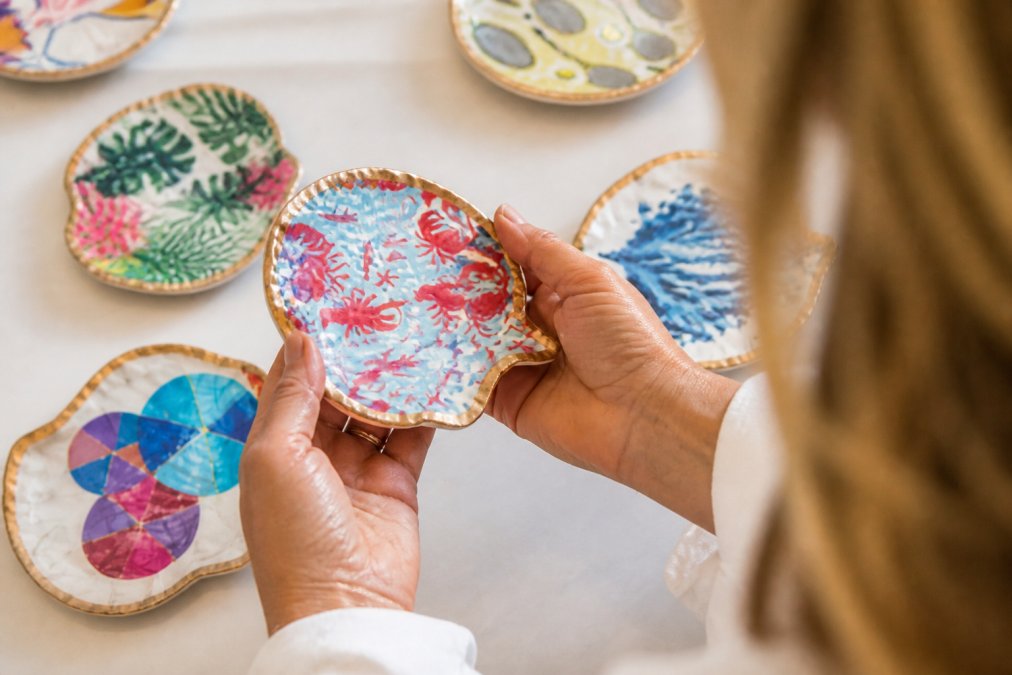
Best Ways to Display Original Art in Your Home
Displaying original art effectively requires intentional placement and proper framing. Gallery walls, arrangements of multiple pieces at varying heights, create visual impact and allow you to mix mediums, sizes, and styles. Plan your layout on paper first, using templates to map positions before hanging anything.
Lighting transforms how art is perceived. Natural light works for some pieces, but directional spotlights or picture lights highlight artwork and create drama. Avoid harsh overhead lighting that creates glare on glass or reflective surfaces.
Spacing matters as much as the pieces themselves. Gallery walls typically space frames 2-3 inches apart, creating rhythm without overwhelming the eye. Larger pieces need breathing room; don't crowd them with smaller items. A single statement piece on a bare wall often carries more impact than a cluttered arrangement.
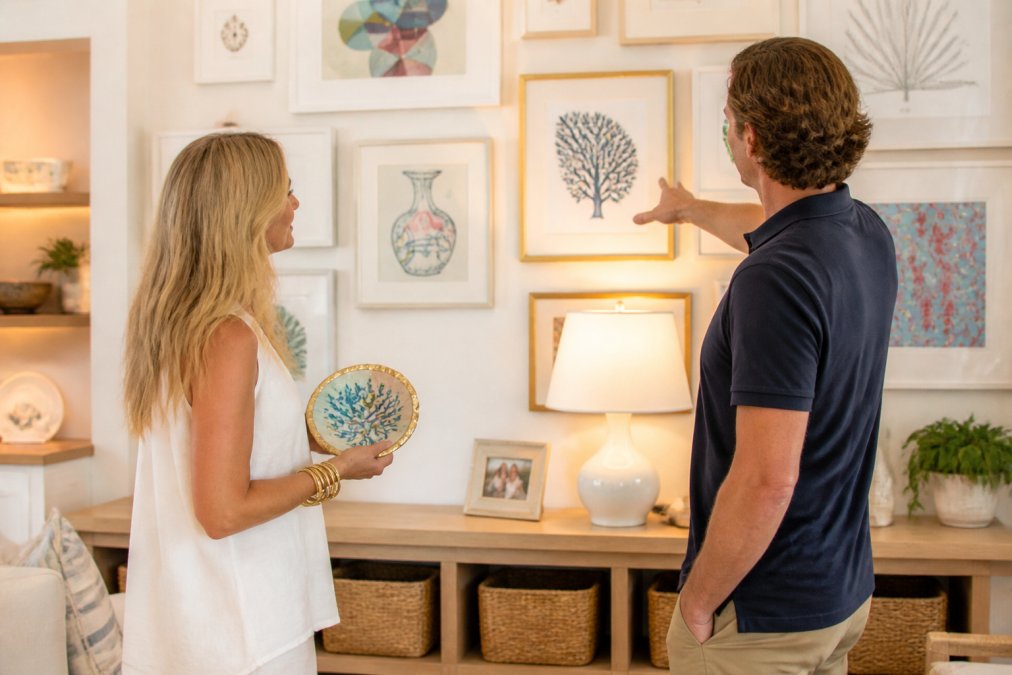
Consider your room's color palette when selecting art. Original pieces should complement existing decor, not fight it. A vibrant abstract painting demands neutral walls; subtle, muted artwork works with busier backgrounds. Palms 30A's collection of original art pieces is designed to integrate seamlessly into various aesthetic directions while adding warmth and personality.
Rotation is a strategy many collectors use. Display pieces seasonally or every few months, keeping your space fresh without constant purchases. This approach also prevents art fatigue, when you see the same piece daily, it fades from consciousness.
Frame quality matters for longevity and presentation. Archival-quality framing protects original art from damage while presenting it professionally. Budget-friendly options exist, but cheap frames cheapen the artwork inside.
How to Style Eclectic Home Decor Effectively
Eclectic styling succeeds when disparate elements share common threads, color, texture, era, or scale. The goal is intentional curation that feels collected over time, not random accumulation. Start with a unifying color palette, typically 3-4 colors that repeat throughout the space.
Texture creates cohesion in eclectic rooms. Mix smooth ceramics with rough woven textiles, polished metal with matte wood, and glossy art with natural fiber baskets. Textural variety prevents monotony and adds sensory interest.
Mixing eras and styles works when you establish a dominant aesthetic and treat others as accents. If your space leans maximalist, embrace bold colors and pattern mixing. If minimalist, use a single statement piece per wall and keep backgrounds clean. The dominant style anchors the room while eclectic additions feel intentional rather than chaotic.
Scale variation prevents visual monotony. Pair large statement pieces with smaller accessories, tall vases with low bowls, oversized art with delicate jewelry displayed on shelves. This rhythm guides the eye and maintains interest.
Group items in odd numbers, three vases, five books, seven decorative objects (the American Academy of Dermatology). Odd groupings feel more natural and less staged than even arrangements. Leave some empty space; crowded shelves and surfaces feel chaotic rather than curated.
Personal items anchor eclectic spaces. Family photos, travel souvenirs, and handmade gifts make rooms feel lived-in. These pieces tell your story and justify why seemingly mismatched items belong together, they reflect your journey.
Budget-Conscious Sourcing Strategies for Unique Pieces
Shopping for unique home decor doesn't require a luxury budget. Strategic sourcing means knowing where to find quality at reasonable prices. Thrift stores, estate sales, and online marketplaces often have underpriced gems, pieces sellers don't recognize as valuable. Develop an eye for potential and willingness to refinish or reframe items.
Mix investment pieces with affordable finds. Spend on items you'll keep forever, quality ceramics, original art, or statement furniture. Balance these with budget-friendly accessories from makers on Etsy or small-batch producers. This approach builds a curated collection without financial strain.
Direct-to-maker purchases often cost less than retailer markups. Many artisans offer first-time buyer discounts or seasonal sales. Follow makers on social media to catch flash sales or limited releases. Building relationships with creators sometimes leads to better pricing and priority access to new work.
Seasonal timing affects prices. End-of-season sales at boutiques, holiday markdowns, and post-event clearances offer opportunities. Estate sales are busier (and pricier) early in the event; visit on final days when sellers reduce prices to clear inventory.
DIY customization stretches budgets. A handcrafted ceramic vessel like Palms 30A's Artichoke Flower Holder ($32.00) or White Textured Small Ginger Jar with Lid ($34.00) offers handmade quality at accessible prices. These pieces function as both decor and functional items, maximizing value.

Smaller decorative accents provide impact without major expense. A Custom Designed Seashell ($22.00) or Blue Hydrangea Decorative Bird ($12.00) adds character to shelves and surfaces. Accumulating several small handcrafted pieces creates a cohesive, curated aesthetic without the cost of large statement items.

Join online communities and swap groups where collectors trade pieces. Swapping costs nothing and gives items new homes while refreshing your space. Many communities focus on specific eras or styles, connecting you with like-minded collectors.
| Strategy | Best For | Cost Range | Time Investment |
|---|---|---|---|
| Thrifting & estate sales | Vintage, one-of-a-kind finds | $5-$100 | High (requires hunting) |
| Direct-to-maker | Handcrafted, customizable pieces | $20-$500 | Medium (research needed) |
| Boutique retailers | Curated, vetted collections | $12-$200+ | Low (pre-selected) |
| Online marketplaces | Artisan goods, variety | $10-$300 | Medium (browsing) |
| Seasonal sales | Discounted boutique items | 20-50% off retail | Low (timing-dependent) |
Shopping for unique home decor transforms your space from generic to genuinely yours. The process requires intention, understanding what makes pieces special, knowing where to find them, and developing an eye for quality and authenticity. Whether you're drawn to handcrafted ceramics, vintage treasures, or original art, the key is building a collection that tells your story.
Palms 30A brings this curation to you, offering a thoughtfully selected collection of handcrafted jewelry, original art pieces, and home accessories designed to add warmth and style to your space. Each item is chosen to enhance daily life with little luxuries. View all to discover pieces that reflect your personal aesthetic and bring joy to your home.
Frequently Asked Questions
Q: How do I verify that home decor pieces are actually handcrafted and authentic?
A: Ask vendors for maker information, production details, and photos of the creation process. Authentic artisans are proud to share their story. Look for maker signatures, numbered editions, or certificates of authenticity. Check if the piece shows natural variations typical of handmade items, slight imperfections indicate genuine craftsmanship rather than mass production. Reputable shops like Palms 30A source directly from makers and curate their collection to ensure authenticity.
Q: What's the best way to shop for unique home decor on a budget?
A: Mix investment pieces with affordable finds. Splurge on statement items like original art or handcrafted ceramics (such as the Artichoke Flower Holder at $32), then balance with smaller, lower-cost accents. Shop vintage and thrift stores for one-of-a-kind treasures, hunt online marketplaces during sales, and prioritize quality over quantity. Focus on pieces that reflect your design personality rather than following trends, so they won't feel dated.
Q: How do I know if a piece is worth the investment price?
A: Evaluate craftsmanship quality, materials, and whether the piece aligns with your long-term design vision. Handcrafted items like the Custom Designed Seashell ($22) or White Textured Ginger Jar ($34) justify their cost through durability and uniqueness. Consider how long you'll keep the piece and whether it complements your existing decor. Higher prices often reflect artisan skill, sustainable materials, and limited production runs.
Q: Where can I find original art pieces for my home?
A: Shop directly from independent artists through galleries, art fairs, and curated online marketplaces. Look for pieces that speak to your aesthetic and come with artist information. Curated retailers like Palms 30A offer original art pieces and can guide you toward works that fit your space. Check artist websites, Instagram, and local art communities. Avoid mass-produced 'art' prints and instead invest in authentic creations that add genuine character to your home.
This article was written using GrandRanker