
Luxury Boutique Clothing Online Reviews: How to Shop Smart
Table of Contents
- What Makes a Legitimate Luxury Boutique Clothing Online Different
- How to Verify Online Boutique Authenticity Before You Buy
- Identifying Scam Clothing Websites: Red Flags to Spot
- Reading Customer Reviews and Building Trust Score
- Coastal Fashion Trend 2026: What Luxury Boutiques Are Curating
- Return Policy, Shipping, and Customer Service Standards
- Fabric Quality, Materials, and Handcrafted Verification
- Frequently Asked Questions
Last Updated: September 2, 2026
What Makes a Legitimate Luxury Boutique Clothing Online Different
When you're shopping for luxury boutique clothing online, the stakes feel higher than a typical e-commerce transaction. You're paying for craftsmanship, exclusivity, and often handcrafted details that mass-market retailers can't replicate. But that premium price tag also makes these boutiques targets for scams, counterfeits, and misleading marketing. Understanding what separates a legitimate luxury boutique from a fraudulent operation is the first line of defense.
A legitimate luxury boutique clothing online retailer prioritizes transparency, authenticity, and customer protection in ways that discount fast fashion sites simply don't. They display their supply chain openly, verify the origin and materials of each piece, and stand behind their products with meaningful return policies and customer service responsiveness. At Palms 30A, we've curated collections with these principles at the core, ensuring every dress, accessory, and piece tells a story of genuine craftsmanship rather than mass production.
The difference comes down to several key markers. Legitimate boutiques invest in secure payment gateways, clearly display their physical business address, and feature detailed product descriptions with material specifications, care instructions, and often the artisan or designer behind each piece. Scam operations, by contrast, use vague language, hide contact information, and rush you toward checkout with artificial urgency.
How to Verify Online Boutique Authenticity Before You Buy
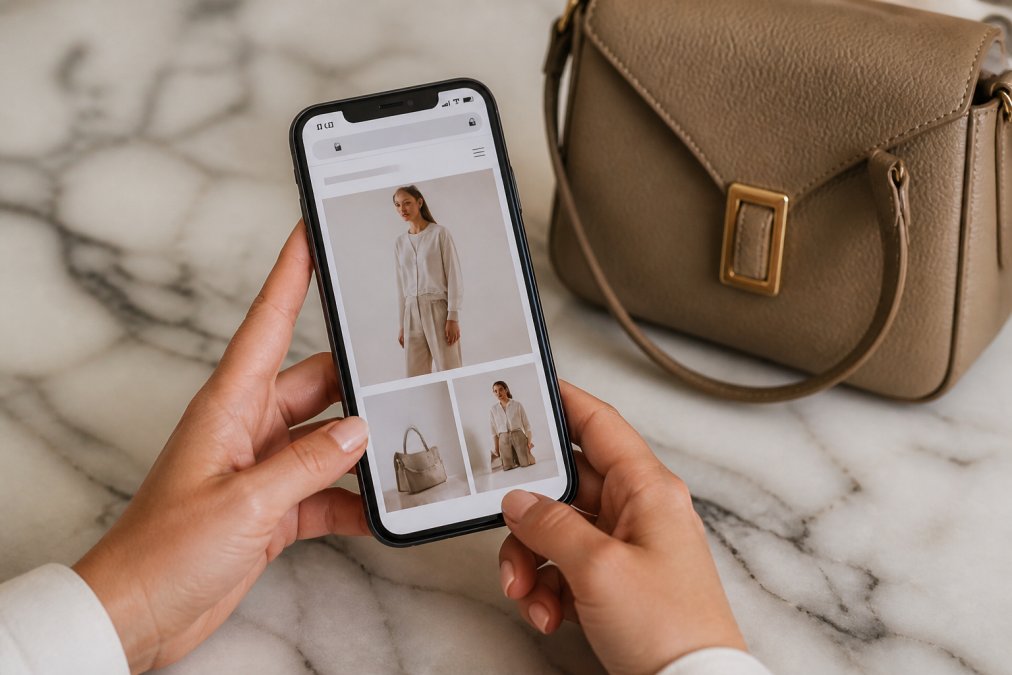
Verifying an online boutique's legitimacy takes detective work, but it's worth the effort before committing your money. Start with the fundamentals: Does the website feel professionally built, or does it look hastily assembled? Legitimate retailers invest in their digital storefronts because they understand that trust begins with design and user experience.
Check for Transparent Supply Chain Information
Legitimate luxury boutiques openly share where their products come from. Look for sections labeled "About Our Designers," "Artisan Stories," or "Production Details." Many high-end boutiques feature photos of the actual makers, workshops, or production facilities. This isn't just marketing, it's proof that the business stands behind its sourcing.
When you see a product listing, ask yourself: Can I trace this item back to a real person or workshop? Does the description explain the materials and construction method? Legitimate retailers like Palms 30A highlight handcrafted details because they're genuinely proud of them. Our collections feature pieces like the Montauk Dress in Blue with White Geometric Pattern, handmade in India, with full transparency about the artisans and production methods behind each piece.
Scam operations skip this entirely. They use generic product descriptions, stock photos, and vague language like "premium quality" without explaining what that actually means. They avoid naming designers, artisans, or manufacturers because there's nothing real to name.
Confirm Physical Address and Contact Details
A real business has a real address. Check the boutique's "Contact Us" page for a physical street address, phone number, and email. Then verify it. Call the number. Does someone answer, or is it disconnected? Visit the address on Google Maps. Does a business actually operate there?
Scam sites often list fake addresses, use only email contact (with slow response times), or hide their location entirely behind a "contact form" that goes nowhere. Legitimate boutiques, especially those with an online presence, often have brick-and-mortar locations or clear physical headquarters. They want you to know where they are because they're not going anywhere.
Check the domain registration details using WHOIS lookup tools. Legitimate businesses use their real names and verifiable contact information. Scammers often hide behind privacy protection services or use fake names.
Identifying Scam Clothing Websites: Red Flags to Spot
Scam clothing websites share common patterns. Learning to spot these red flags will save you money and protect your personal information from fraud and identity theft.
Website Design and Security Indicators
The first thing to check: Does the website use HTTPS (secure connection)? Look for the padlock icon in your browser's address bar. All legitimate e-commerce sites encrypt customer data (the FTC). If you see "HTTP" without the "S," or if your browser shows a security warning, do not enter payment information.
Beyond security, examine the overall design quality. Legitimate luxury boutiques invest in professional website design because it reflects their brand. Look for:
- Clear, high-quality product photography from multiple angles
- Consistent branding and professional typography
- Functional search and filtering options
- Fast page load times
- Mobile-responsive design
- Professional language without spelling or grammar errors
Scam sites often have telltale signs: blurry product photos (often stolen from legitimate retailers), broken links, inconsistent branding, awkward translations, or pages that feel rushed together. They may also have suspicious pop-ups, aggressive countdown timers claiming "only 2 items left," or pressure tactics designed to rush you into purchasing without thinking.
Pricing That Seems Too Good to Be True
If a luxury boutique is offering designer pieces at 70-80% off retail, it's almost certainly a scam. Legitimate boutiques operate on reasonable margins. Deep discounts, especially on handcrafted or exclusive items, don't make business sense.
Compare pricing across multiple legitimate retailers. If one site's prices are drastically lower than competitors for the same brand or quality level, investigate further. Scammers use artificially low prices to attract clicks, then either ship counterfeit products or take your money without shipping anything at all.
Legitimate boutiques like Palms 30A price items fairly based on quality and craftsmanship. Our Monterey Dress in Linen Cabana, crafted from breathable linen, is priced at $179.00 because that reflects the material quality and production standards. A similar dress listed elsewhere for $29.99 should raise immediate suspicion.

Reading Customer Reviews and Building Trust Score
Customer reviews are your window into real user experience, but they're also a place where scammers fabricate credibility. Learning to read reviews critically is essential.
Start by looking at the pattern of reviews. Legitimate boutiques have a mix of ratings, mostly positive, but with some 3-star and 4-star reviews that acknowledge minor issues. This feels authentic. Scam sites often have either all 5-star reviews (obviously fake) or reviews that use identical language, suggesting they're written by the same person.
Check the review content for specificity. Legitimate reviews mention actual details: "The Anya Dress fit perfectly, and the Tencel fabric feels luxurious," or "Shipping took 8 days, which was faster than expected." Fake reviews are vague: "Great product!" or "Highly recommend!" without explaining what makes it great.

Look for verified purchase badges. Many platforms require reviewers to prove they actually bought the item. If reviews lack this verification, treat them with skepticism.
Also examine the timeline. Do reviews cluster around certain dates, suggesting a sudden burst of fake feedback? Or are they spread naturally over time? Real customer bases generate reviews at a steady pace.
Coastal Fashion Trend 2026: What Luxury Boutiques Are Curating
The luxury boutique clothing landscape in 2026 reflects a shift toward timeless, versatile pieces that work across seasons and occasions. The trend isn't about fast fashion cycles, it's about curated collections that emphasize quality, sustainability, and personal style.
Coastal fashion trends have moved away from heavily trendy prints toward sophisticated, understated designs. Think refined ikat patterns, geometric prints, and natural fabrics like linen and cotton that prioritize comfort without sacrificing elegance. Luxury boutiques are curating pieces that transition seamlessly from casual beachside outings to polished evening events.
The Montauk Blu Ikat Print Dress exemplifies this trend, a flowing piece with a striking indigo ikat pattern that captures coastal sophistication. Similarly, the Resort Halter Maxi Dress combines elegance with the kind of effortless comfort that defines 2026 luxury fashion. These pieces aren't trend-dependent; they're investments in a wardrobe that lasts.

Legitimate luxury boutiques are also emphasizing handcrafted details and artisan collaborations. Rather than mass-producing identical items, they're offering limited quantities and highlighting the individual maker behind each piece. This approach builds consumer protection through exclusivity and traceability, you can track where your purchase came from, who made it, and why it's worth the investment.
Sustainability is another defining characteristic of 2026 luxury boutique curation. Customers increasingly want to know about fabric sourcing, production methods, and the environmental impact of their purchases. Boutiques that provide this information are building trust and differentiating themselves from retailers that hide their supply chains.
Return Policy, Shipping, and Customer Service Standards
A legitimate luxury boutique's return policy should be customer-friendly, not a hidden obstacle course. Look for policies that:
- Allow returns within 30-60 days of purchase (the FTC)
- Offer prepaid return shipping or cover return costs
- Accept returns on unworn items with original tags
- Process refunds within 7-14 days of receiving returned items (the FTC)
- Clearly explain the process upfront, not buried in fine print
Scam sites often have no return policy at all, or policies so restrictive they're meaningless ("Returns only accepted within 7 days if the item is unworn, untagged, and in original packaging, and the customer pays return shipping"). These are designed to discourage returns, trapping you with a product you can't use.
Shipping timelines matter too. Legitimate boutiques provide tracking numbers and realistic delivery windows. If a boutique claims 2-3 day shipping on every order, they're either lying or using expensive overnight services that aren't sustainable for their pricing model.
Customer service responsiveness is the final piece. Email a boutique with a question before purchasing. How long does it take to respond? Is the answer helpful and personalized, or generic and unhelpful? Legitimate retailers prioritize customer communication because they understand that trust is built through responsiveness.
Fabric Quality, Materials, and Handcrafted Verification
The materials used in a piece of clothing tell you everything about its quality and longevity. Legitimate luxury boutiques provide detailed material specifications, not vague descriptions.
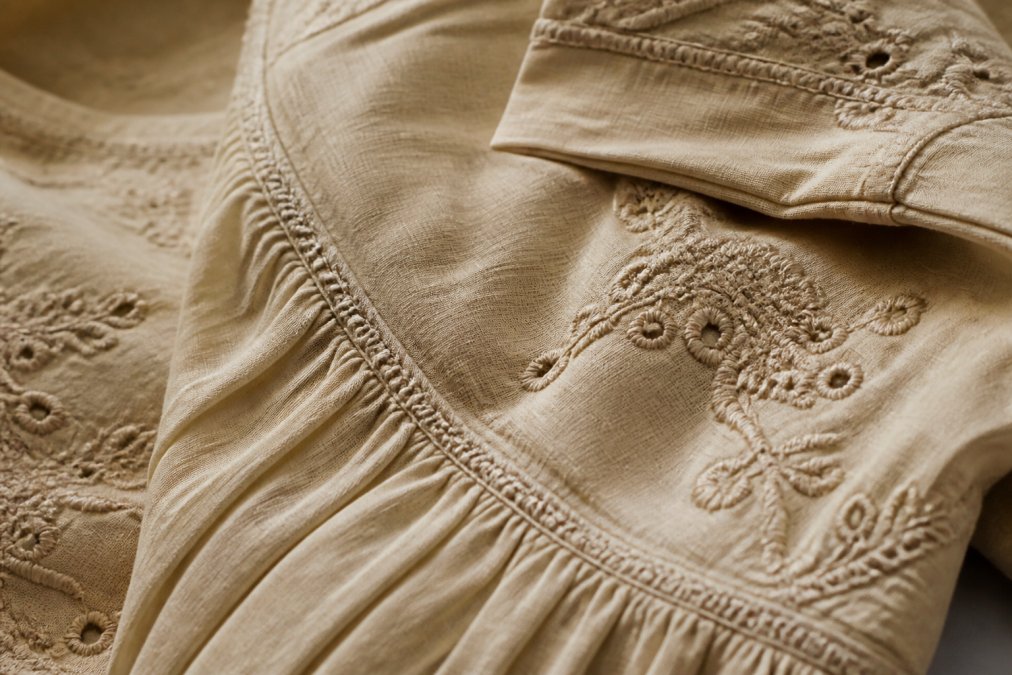
Look for specific fiber content listed as percentages. "100% Tencel twill" is specific. "Premium fabric blend" is meaningless. The Anya Dress uses 100% Tencel twill, a material known for its softness, breathability, and durability. That specificity matters because you can research Tencel's properties and understand exactly what you're purchasing.
Handcrafted verification requires transparency about the production process. Does the listing explain how the piece is made? Are there photos of the stitching, seams, or construction details? Legitimate artisans are proud of their work and show it off. Scammers use stock photos and generic descriptions because there's no actual craftsmanship to highlight.
When evaluating handcrafted claims, look for:
- Named artisans or workshops
- Photos of the production process or finished details
- Explanation of techniques used
- Information about why handmade construction justifies the price
- Care instructions specific to the materials and construction method
The Montauk Dress in Blue with White Geometric Pattern is handmade in India, a detail that's prominently featured because it's central to the product's authenticity and value. That transparency allows you to verify the claim if you choose to.
Ask yourself: Could this piece be mass-produced, or does the construction genuinely require human skill? If a boutique claims handcrafted status for items that could easily be made by machines, that's a red flag.
Shopping for luxury boutique clothing online doesn't have to be risky if you know what to look for. The most important step is verifying authenticity before you buy, checking for transparent supply chains, secure payment methods, and genuine customer service responsiveness. At Palms 30A, we've built our entire collection around these principles, offering handcrafted pieces and curated selections that reflect genuine craftsmanship. Explore our collection of luxury dresses like the Monterey Dress in Linen Cabana or timeless accessories like our Leather Handbag with Lock, each chosen for quality, authenticity, and lasting value. Start your shopping with confidence, knowing exactly what you're investing in.
Frequently Asked Questions
How can you tell if a luxury boutique clothing online is legitimate?
Legitimate luxury boutique clothing online retailers display transparent business information, including a physical address, phone number, and clear return policy. Check for secure payment gateways (look for HTTPS and a padlock icon), customer reviews on third-party sites, and detailed product descriptions with multiple photos. Authentic boutiques provide information about their supply chain and craftspeople. Scam sites often have vague contact information, poor website design, or grammatical errors throughout.
What should you look for when reading luxury boutique clothing reviews?
Focus on reviews that mention specific details: fabric quality, fit accuracy, shipping speed, and customer service responsiveness. Look for verified purchases and photos from actual customers. Red flags include reviews that are overly generic, all five-star ratings with no criticism, or reviews mentioning dropshipping delays. Check the reviewer's history across multiple sites. Pay attention to comments about whether items match product photos and whether handcrafted pieces show quality craftsmanship. Reviews mentioning ease of returns and refund speed are also valuable trust indicators for luxury boutique clothing online purchases.
What are common red flags when shopping at new online clothing boutiques?
Watch for websites with poor grammar, unclear sizing guides, or no size chart at all. Avoid boutiques that don't display a return policy prominently or charge excessive restocking fees. Be cautious of extremely low prices for luxury items, unclear product origins, or vague descriptions like 'handcrafted' without naming the maker. If a boutique lacks contact information, has no social media presence, or shows no customer reviews anywhere, that's a warning sign. Also check if they use secure payment methods and whether their SSL certificate is valid. Legitimate luxury boutique clothing online retailers are transparent about their sourcing and manufacturing.
How important is a clear return policy when buying luxury boutique clothing online?
A clear return policy is essential for building trust in luxury boutique clothing online shopping. Legitimate retailers typically offer 30-60 day returns with prepaid shipping or full refunds. Vague policies like 'all sales final' or extremely short windows (7 days or less) are red flags. Check whether returns include exchanges and how refunds are processed. Luxury boutiques that stand behind their quality craftsmanship usually offer generous return periods because they're confident in their products. A transparent, customer-friendly return policy directly impacts consumer protection and indicates the boutique's confidence in their fabric quality and construction standards.
This article was written using GrandRanker