

Setting the Perfect Table for Guests: A 2026 Guide
Table of Contents
- Start with the Outside-In Rule for Silverware
- Formal Table Setting Etiquette Every Host Should Know
- Casual Dinner Table Setup Ideas That Feel Effortless
- Best Table Centerpiece Ideas for a Warm, Inviting Table
- Napkin Placement and Folding: Small Details That Matter
- Tablecloth, Runner, and Tablecloth Drop Basics
- How to Set the Perfect Table for Guests with Dietary Needs or a Buffet
- Sustainable and Eco-Friendly Hosting Choices
- Frequently Asked Questions
Last Updated: September 27, 2026
Start with the Outside-In Rule for Silverware
Setting the perfect table starts with one rule: silverware goes outside-in. Guests use the outermost fork first, then work inward.
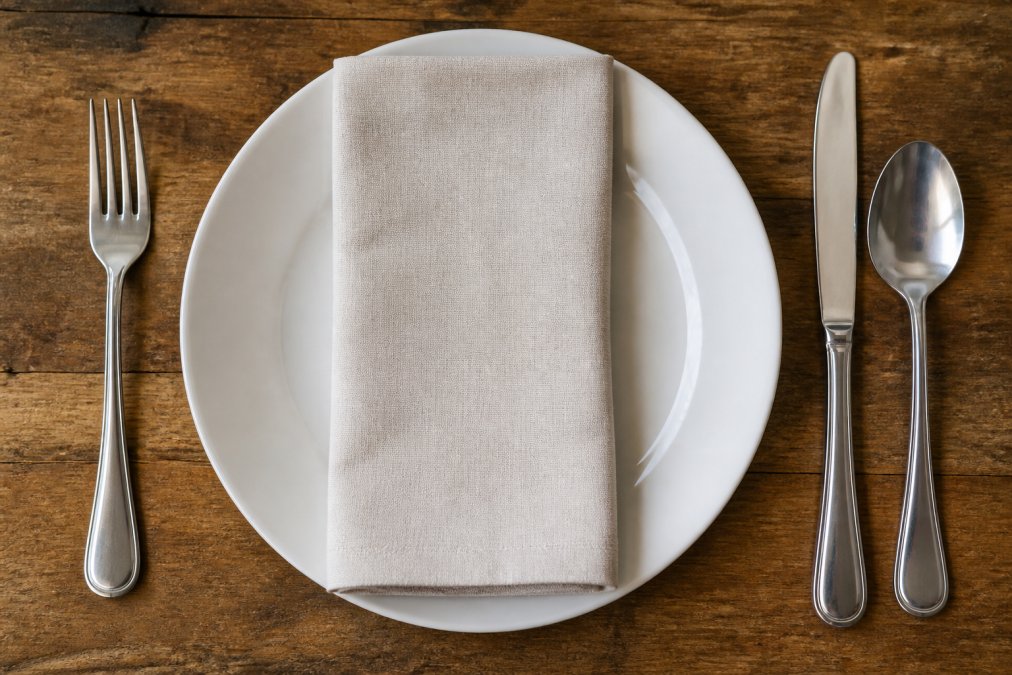
Here is the order, moving from the outside in:
- Salad fork (outermost left) for the first course
- Dinner fork (closer to the plate) for the main
- Knife (closest to the plate, blade facing in) with the dinner fork
- Soup spoon (outermost right) for soup or starter
- Dessert spoon or fork above the plate, or brought out later
Formal Table Setting Etiquette Every Host Should Know
Formal table setting etiquette follows a predictable structure: plates anchor the center, flatware fans out by course, and glassware sits top-right. Once you know the zones, you can set a formal table in under ten minutes, so guests never guess which fork to use.
The Zones of a Formal Place Setting
Think of each place setting as four zones. Build them in this order:
- Center zone, charger or dinner plate, centered about an inch from the table edge
- Left zone, forks, arranged outside-in by course
- Right zone, knife (blade facing the plate) and spoons, arranged outside-in
- Top-right zone, glassware, fanning up and to the right
Plates, Chargers, and Course Sequence
A charger plate is the large decorative plate under the dinner plate. It stays through the first courses and is removed before the main. The sequence:
- Charger goes down first, centered about an inch from the table edge
- Soup bowl or salad plate sits on top for the first course
- Dinner plate replaces it for the main
- Dessert plate comes out last, often with the dessert utensils
Flatware Placement, Course by Course
Flatware is where most hosts second-guess themselves. The outside-in rule handles order; measurements handle the look.

- Forks sit to the left of the plate, tines up. Leave about half an inch between each fork and the plate.
- Knife sits closest to the plate on the right, blade facing in toward the plate.
- Spoons sit to the right of the knife, outermost spoon for soup.
- Dessert spoon or fork sits horizontally above the plate, handle pointing right (spoon) or left (fork).
Glassware and Stemware Arrangement
Stemware goes above and to the right of the dinner plate: water glass closest, wine glasses fanning outward. For a standard dinner:
- Water glass directly above the knife
- Red wine glass to the right of the water glass
- White wine glass in front of the red, if you are pouring both
Bread Plate and Butter Knife
The bread plate sits at the top-left, just above the forks, with the butter knife across the top, blade facing left. If space is tight, it can overlap the charger's top-left corner, but never sit on a fork.
A Quick Troubleshooting Pass
How to handle the most common snags:
- Not enough matching flatware. Mix finishes deliberately, all-silver on one side, all-gold on the other, rather than mixing randomly. Guests read intentional contrast as style, not shortage.
- Table too narrow for a full setting. Drop the charger and the bread plate, keep the dinner fork, knife, and one glass. The setting still reads as formal.
- More guests than chairs. Set a second smaller table nearby and treat it as a continuation, not a kids' table. Same linens, same glassware.
- A guest is left-handed. You can mirror their setting (forks on the right) if you know in advance. Otherwise, leave it standard, most left-handed guests navigate a standard setting without issue.
Formal etiquette is a map, not a test. If a guest can find their fork without asking, the setting is working, even if one detail is off.
Casual Dinner Table Setup Ideas That Feel Effortless
Casual dinner table setup ideas lean on one principle: fewer pieces, more warmth. A relaxed table uses a place mat instead of a charger, one fork, one knife, and a single water glass, welcoming rather than formal, with less resetting. Simple linens and natural textures provide the ideal foundation for curating holiday decor that maintains this effortless sense of ease throughout the season.
Try these swaps for a casual night:
- Place mats instead of a full tablecloth
- One dinner fork, one knife, one spoon
- A water glass and a single wine glass per person
- A shared bread basket in the center
- Cloth napkins, folded loosely, not fanned
Buffet and Dietary-Needs Variations
A buffet changes the math: you are setting a flow, not full place settings. Keep the main table clear for the food line and set only what each guest needs:
- One fork, one knife, one glass per person
- Napkins and flatware stacked at the start of the buffet line
- Serving utensils with each dish, not shared across dishes
- A small plate stack and a large plate stack at the top of the line
Best Table Centerpiece Ideas for a Warm, Inviting Table
The best table centerpiece ideas keep the sightline open. A centerpiece should sit below eye level when guests are seated, so conversation flows without anyone leaning around flowers. Low and wide beats tall and narrow: under 12 inches for a seated dinner, under 8 inches for family-style passing.
The Psychology of Table Flow
A centerpiece is a traffic decision. When it blocks the view between two guests, they default to the person beside them and the table splits into side conversations. Hosts who want a lively table:
VIDA Faenza 11" Dinner Plate Set of 4 →
- Keep the middle low so every guest can see at least two people across from them
- Leave a clear path on at least one side for passing dishes
- Avoid tall, narrow arrangements that create a visual wall down the center
Low-and-Wide Centerpiece Options
Try these options, all of which stay under the sightline:
- A shallow bowl of seasonal fruit, apples, pears, or citrus in fall and winter; stone fruit or berries in summer
- Three hand-blown taper candleholders at different heights, kept under 10 inches
- A single low vase of loose stems, ranunculus, eucalyptus, or dried grasses
- A small cluster of ceramic bowls holding salt, pepper, and olive oil
- A runner of small votives spaced evenly down the center
Candle Safety and Placement
Candles warm a table fast, and ruin dinner fast if you are careless.
- Keep flames at least 12 inches from any napkin, runner, or dried arrangement
- Trim wicks to about a quarter inch before lighting so they burn evenly and do not smoke
- Never leave a lit candle unattended, and extinguish everything before guests move to another room
- If children are at the table, use flameless LED candles in the same holders, the visual effect is nearly identical
Seasonal and Sustainable Centerpiece Ideas
A centerpiece does not need to be purchased. Some of the warmest tables use what is in season:
- Branches or greenery clipped from the yard, set in a low vessel
- A bowl of whole nuts in their shells during the holidays
- Potted herbs, rosemary, thyme, or mint, that double as a host gift at the end of the night
- Reusable ceramic or glass vessels instead of single-use floral foam
The best centerpieces are the ones guests can see over. If someone has to move it to pass the salt, it is too tall.
Napkin Placement and Folding: Small Details That Matter
Napkin placement is small but highly visible. A napkin can sit on the plate, left of the forks, or in a glass, each sets a different tone. Casual: flat left of the forks. Formal: folded on the plate. Cocktail-style: tucked in a glass.
A few folds that work for any table:
- The simple rectangle: fold in half twice, press flat
- The loose roll: roll and tuck into a napkin ring
- The pocket fold: fold in thirds, slip the silverware inside
- The drape: fold once and let it hang over the plate edge
Tablecloth, Runner, and Tablecloth Drop Basics
Tablecloth drop is the fabric hanging below the table edge. Too short looks unfinished; too long looks formal and gets in the way.
| Occasion | Drop Length | Look |
|---|---|---|
| Casual dinner | 6-8 inches | Relaxed, easy to move |
| Semi-formal | 10-12 inches | Polished, still practical |
| Formal | 15 inches to the floor | Elegant, dramatic |
| Buffet | 6 inches or none | Functional, easy to clean |
How to Set the Perfect Table for Guests with Dietary Needs or a Buffet
Setting the perfect table for guests with dietary needs comes down to clarity and separation: guests should never have to ask which dish is safe, and serving tools should never cross between dishes.
- Label every dish with a small card listing the main ingredients
- Give each dish its own serving utensil
- Keep gluten-free, nut-free, or dairy-free items on a separate end of the buffet
- Set a small plate stack near the top of the line for guests with smaller appetites
- Place allergen-friendly bread or crackers on their own plate, not touching others
Keep a backup plate of a simple, safe option (plain roasted vegetables, plain rice, or a green salad with dressing on the side). It rescues the night when a guest's needs are stricter than expected.
Sustainable and Eco-Friendly Hosting Choices
Sustainable hosting does not mean giving up style, it means choosing pieces you will use for years instead of single-use items. Swaps that pay off:
- Cloth napkins instead of paper
- Real plates and flatware instead of disposable
- Beeswax or soy candles instead of paraffin
- Locally grown or seasonal produce for the menu
- Reusable glass or ceramic serving pieces
Frequently Asked Questions
What is the basic rule for setting a dinner table?
The core rule is the outside-in rule: arrange flatware in the order it will be used, starting from the outside and working inward. Forks go on the left, knives and spoons on the right, with the knife blade facing the plate. The water glass sits above the knife, and the bread plate goes to the upper left. This setup works for both casual and formal meals, and it helps guests know which utensil to pick up first.
Where do the fork and knife go on a table setting?
Place the dinner fork to the left of the plate, and if you have a salad fork, put it to the left of the dinner fork. The dinner knife goes to the right of the plate with the blade facing inward. Spoons go to the right of the knife. This arrangement follows the outside-in rule, so guests start with the outermost utensils and work their way in as courses progress.
How do you set a table for a casual dinner party?
For a casual dinner party, you can skip the charger and use just a dinner plate, a salad plate, and a dessert fork. A simple centerpiece like a small vase of flowers or a set of hand-blown glass candlestick holders adds warmth without clutter. Place napkins on the plate or in a napkin caddy, and keep glassware to a water glass and a wine glass. The goal is relaxed, not rigid.
How can I add a personal touch to my table setting?
Add a personal touch with handmade or artisanal elements: a set of hand-blown glass candlestick holders in gradient colors, a wavy napkin caddy, or a small original art piece as part of the centerpiece. You can also use place cards with handwritten names or a sprig of fresh herbs from your garden. These details make guests feel considered without much extra effort.