

House of Curated Alternatives for Home Decor
Table of Contents
- What Makes a Curated Home Decor Alternative Stand Out
- Artisan-Made and Handcrafted Decor Alternatives
- Sustainable and Fair Trade Home Goods Options
- Affordable Designer Alternatives and Vintage Finds
- Benefits of Shopping Small Boutique Brands
- How to Style a Curated Home with Intentional Design
- Budget-to-Value Ratio: Finding Quality at Every Price Point
- Conclusion
Last Updated: August 23, 2026
What Makes a Curated Home Decor Alternative Stand Out
Curated home decor combines quality craftsmanship, ethical sourcing, and design-forward thinking into collections that transform how you live. What separates curated alternatives from generic home goods is intentionality: each piece is chosen to work together, creating a cohesive visual language rather than a random assortment. The best curated options prioritize quality craftsmanship over fast production, often featuring handcrafted ceramics and fair trade accessories that carry the maker's fingerprint. They're designed for people who believe their home should reflect their values, not just their budget. As consumers increasingly reject mass-produced sameness, the demand for ethically made home goods has exploded (peer-reviewed research). Below, we'll walk you through the best alternatives to mainstream decor shopping: artisan-made options, sustainable choices, affordable designer pieces, and vintage treasures that let you build a home reflecting who you are.
Artisan-Made and Handcrafted Decor Alternatives
Handcrafted ceramics and artisan-made home accessories represent the heart of intentional design. When you choose pieces made by human hands rather than industrial machines, you're investing in quality craftsmanship and supporting makers who pour skill and creativity into every item.
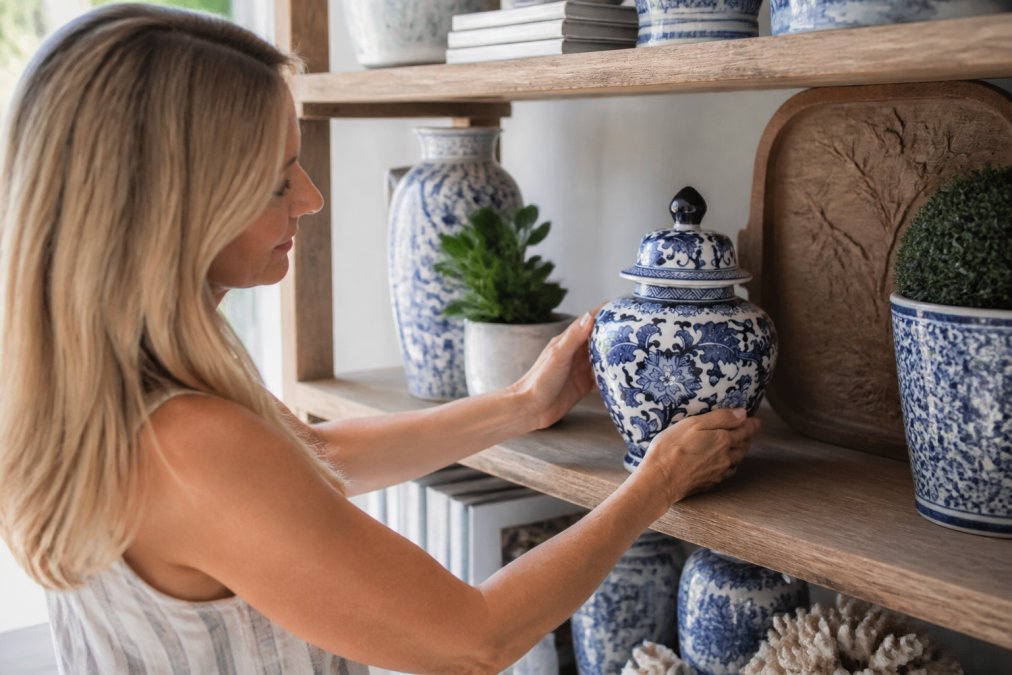
Artisan-made decor stands apart because each piece carries variation, slight differences in glaze, texture, or finish that prove it was made by a person, not a machine. This isn't a flaw; it's authenticity. The Porcelain Chinoiserie Ginger Jar demonstrates this perfectly, with hand-inspired cobalt blue patterns on pristine white porcelain showcasing traditional Asian artistry merged with modern elegance. The removable lid serves dual purpose as a statement piece or functional storage.

When you buy from makers and small-batch producers, you're directly supporting creative communities. You know where your money goes and understand the labor involved. Artisan pieces also age beautifully, developing patina and character rather than looking dated after a season.
The Navy Textured Ginger Jar in Small at $32.00 brings refined elegance without overwhelming a space. Its tactile surface and fitted lid work equally well for floral display, storage, or standalone accent. Available in five sophisticated colorways, textured ceramics let you layer color intentionally.

For statement-making pieces, the 7.5" Blue and White Chinoiserie Birds at $38.00 captures serene beauty. Handcrafted from clay, this artisanal accent brings timeless elegance to bookshelves, plant stands, or display cabinets, making it ideal for collectors seeking refined, conversation-starting décor.
Sustainable and Fair Trade Home Goods Options
Sustainable home decor has moved from niche concern to mainstream expectation. Fair trade home accessories ensure that artisans receive fair compensation and work under ethical conditions. This might mean small-batch production that reduces waste, locally sourced materials that minimize shipping impact, or partnerships prioritizing worker welfare.
When evaluating sustainable options, look for transparency about sourcing and production. Does the maker disclose where materials come from? Are workers fairly compensated? Is packaging minimal and recyclable? True sustainable home decor comes from makers committed to transparency, not greenwashing.
The relationship between quality craftsmanship and sustainability is direct. Handmade pieces last longer because they're built with intention and skill. A well-made ceramic vessel might serve your home for decades, while a cheap mass-produced alternative ends up in a landfill within years (the EPA). This longevity makes artisan-made, fair trade options more sustainable long-term, even if the initial price is higher.
Affordable Designer Alternatives and Vintage Finds
Not everyone has a luxury budget, yet everyone deserves beautiful, thoughtfully designed home goods. You can build a curated home at multiple price points by mixing investment pieces with budget-friendly finds and hunting for vintage gems.
Affordable designer alternatives capture high-end aesthetic without premium price tags. The Navy Textured Ginger Jar in Large at $56.00 exemplifies this approach, commanding attention with substantial size and intricate surface texture. The included lid keeps your display polished and intentional.

Vintage and antique furniture sources offer another path to curated design. Vintage treasures carry history and character that new pieces cannot replicate. Hunt through estate sales, local antique shops, online marketplaces, and auctions. Building relationships with local vintage dealers often yields better finds than random browsing.
The beauty of mixing affordable alternatives with vintage pieces is the visual richness it creates. A modern textured ceramic jar paired with a vintage wooden tray and antique brass candlesticks tells a more interesting story than a perfectly matched set from a single retailer. This layering approach, combining price points and eras, separates intentional design from decorated spaces.
Smaller decorative pieces offer the best entry point into curated collecting. The Green Textured Ginger Jar Salt & Pepper Shaker Set at $18.00 brings artful accents to your table without major investment. Each shaker is molded into an elegant ginger jar silhouette, turning an everyday essential into a decorative accent.
Benefits of Shopping Small Boutique Brands
Shopping small boutique brands delivers benefits that mass-market retailers cannot match. Small brands typically maintain tighter quality control than massive retailers (nist.gov). Because their reputation depends entirely on customer satisfaction, they take pride in every detail. You're selecting from carefully curated collections where the owner has personally vetted each piece.
The personal connection matters too. Small brands often share the story behind their collections, transforming a purchase into something meaningful. You're not just buying a ceramic jar; you're supporting a maker's creative practice. This storytelling builds community and makes shopping feel intentional rather than transactional.
Small boutique brands also adapt faster than massive retailers. If a design resonates with customers, a small maker can adjust production. This responsiveness creates collections that actually reflect what people want rather than what was decided in a corporate boardroom months ago.
Money spent at small boutique brands typically stays within local communities, supporting makers, artisans, and small business owners. For many customers, this alignment between spending and values matters as much as the product itself.
How to Style a Curated Home with Intentional Design
Building a curated home isn't about following trends or filling every surface with decor. It's about intentional selection, thoughtful layering, and creating spaces that reflect your personal aesthetic and values.
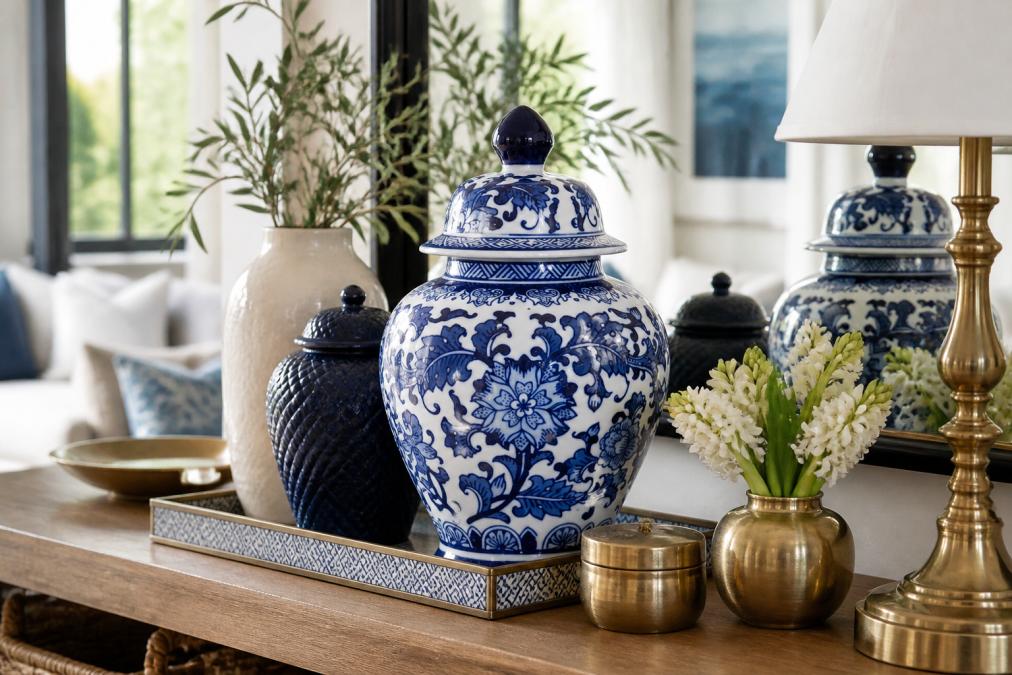
Begin by identifying your design aesthetic. Are you drawn to modern minimalism, maximalist color and pattern, vintage eclecticism, or coastal simplicity? Your aesthetic acts as a filter for every purchase decision.
Layer your decor intentionally. Rather than placing a single item on a shelf, group pieces of varying heights, textures, and colors. A tall ceramic jar paired with a small decorative bird and a vintage brass candlestick creates visual interest. The It's a Jungle Out There Tray at $62.00 demonstrates how a bold, patterned piece becomes a focal point when styled thoughtfully, with its striking blue-and-white chinoiserie design working beautifully on a coffee table, bar cart, or console.
Mix patterns, textures, and eras. Pair smooth ceramics with rough textiles. Combine modern pieces with vintage treasures. This approach creates depth and prevents spaces from feeling flat. Consider negative space as actively as what you display. Empty shelf space is breathing room that lets your curated pieces stand out.
Rotate seasonal decor thoughtfully. Keep core pieces year-round and swap in seasonal accents. This keeps your space feeling fresh without requiring constant overhauls.
Budget-to-Value Ratio: Finding Quality at Every Price Point
Quality craftsmanship, material durability, and design longevity determine real value. A handcrafted ceramic piece at $38.00 might deliver more value than a trendy item at $25.00 if it lasts for decades and brings consistent joy.
Consider cost-per-use when evaluating price. A decorative vessel displayed prominently that you enjoy every day for years delivers far better value than a trendy piece you tire of within months.
| Price Range | Best For | Value Strategy | Example |
|---|---|---|---|
| Under $25 | Entry pieces, gifts, experimentation | Mix affordable finds with investment pieces | Salt & pepper shaker sets at $18.00 |
| $25-$50 | Core collection building | Choose versatile pieces in neutral tones | Textured ginger jars at $32-$34 |
| $50-$100 | Statement pieces, focal points | Select items with strong design identity | Large textured jars at $56.00, trays at $62.00 |
| $100+ | Investment pieces, heirloom quality | Prioritize craftsmanship and timelessness | Porcelain chinoiserie jars at $64.00 |
Small boutique brands often deliver better value than mass-market retailers at comparable prices. A $40 piece from a small maker frequently outperforms a $40 piece from a major retailer because they maintain tighter quality control and source better materials.
Build your curated home gradually. Rather than buying everything at once, invest in core pieces over time. This approach lets you live with items before adding more, ensuring every piece genuinely works in your space.
Conclusion
Building a curated home with intentional design doesn't require unlimited budget or exclusive sources. It requires clarity about your values, understanding of where to find quality pieces, and willingness to shop thoughtfully rather than impulsively. Artisan-made ceramics, sustainable options, vintage treasures, and small boutique collections are more accessible than ever.
The pieces you choose for your home should reflect who you are and what you value. Each item should earn its place through quality, aesthetic alignment, or meaningful storytelling. At Palms 30A, we've built our entire collection around this philosophy. From the Porcelain Chinoiserie Ginger Jar that brings traditional artistry to modern interiors, to the Navy Textured Ginger Jar that commands attention with sophisticated texture, to smaller accent pieces like decorative birds and salt and pepper sets, every piece is selected to help you create a home that feels curated, intentional, and authentically yours. Start building your curated collection today with pieces designed to bring warmth, style, and little luxuries into your daily life.
Frequently Asked Questions
What makes a curated home decor alternative better than mass-produced options?
Curated home decor alternatives prioritize quality craftsmanship, thoughtful design, and often ethical production practices. Artisan-made pieces and small-batch items offer unique character that mass-produced goods lack. When you shop curated alternatives like handcrafted ceramics or fair trade textiles, you're investing in pieces designed to last, with stories behind them. These items typically feature superior materials, attention to detail, and intentional aesthetics that reflect personal taste rather than generic trends.
How do I know if a boutique decor brand offers genuine handcrafted or artisan-made items?
Look for brands that transparently share their production process, artisan backgrounds, or maker stories. Authentic handcrafted pieces often show slight variations, hand-finished details, or visible craftsmanship marks. Reputable boutique brands like Palms 30A feature items such as the 7.5" Blue and White Chinoiserie Birds, handcrafted from clay with intricate detailing. Request information about materials, production methods, and maker credentials. Genuine artisan brands are proud to share where and how items are made, and they often provide authenticity details in product descriptions.
Are boutique home decor brands more sustainable than mass-market retailers?
Many boutique home decor brands prioritize sustainability through smaller production runs, ethical sourcing, and quality-first approaches that reduce waste. Small-batch production means less overstock and landfill impact compared to mass manufacturing. Fair trade and sustainable brands often use eco-conscious materials and support artisan communities. However, sustainability varies by brand, so check their sourcing practices, material choices, and shipping methods. Boutique alternatives typically encourage intentional purchasing and longer product lifecycles, which aligns with sustainable consumption values.
How do I style a curated home without it feeling cluttered or mismatched?
Start with a cohesive color palette and a unifying design theme, then layer pieces intentionally. Group similar items by height, color, or material, for example, arrange textured ginger jars in varying sizes together, like the Navy Textured Ginger Jar in small ($32) and large ($56) versions. Mix artisan pieces with neutral backgrounds to let each item breathe. Follow the principle of leaving breathing room on shelves and surfaces. Use serving pieces like the It's a Jungle Out There Tray ($62) as both functional and decorative anchors. Quality over quantity keeps a curated space feeling intentional rather than overwhelming.
What's the typical price range for quality curated home decor alternatives?
Quality curated decor ranges from budget-friendly to premium, depending on craftsmanship and materials. Small-batch artisan pieces often start around $18-$35 for accent items like the White Textured Jar Salt & Pepper Shaker Set ($18) or Navy Textured Ginger Jar Small ($32), and extend to $60+ for statement pieces like the Porcelain Chinoiserie Ginger Jar Large ($64). Handcrafted ceramics and fair trade textiles typically cost more than mass-produced alternatives but offer durability and uniqueness. The value lies in longevity, curated pieces become cherished décor investments rather than seasonal purchases.
This article was written using GrandRanker